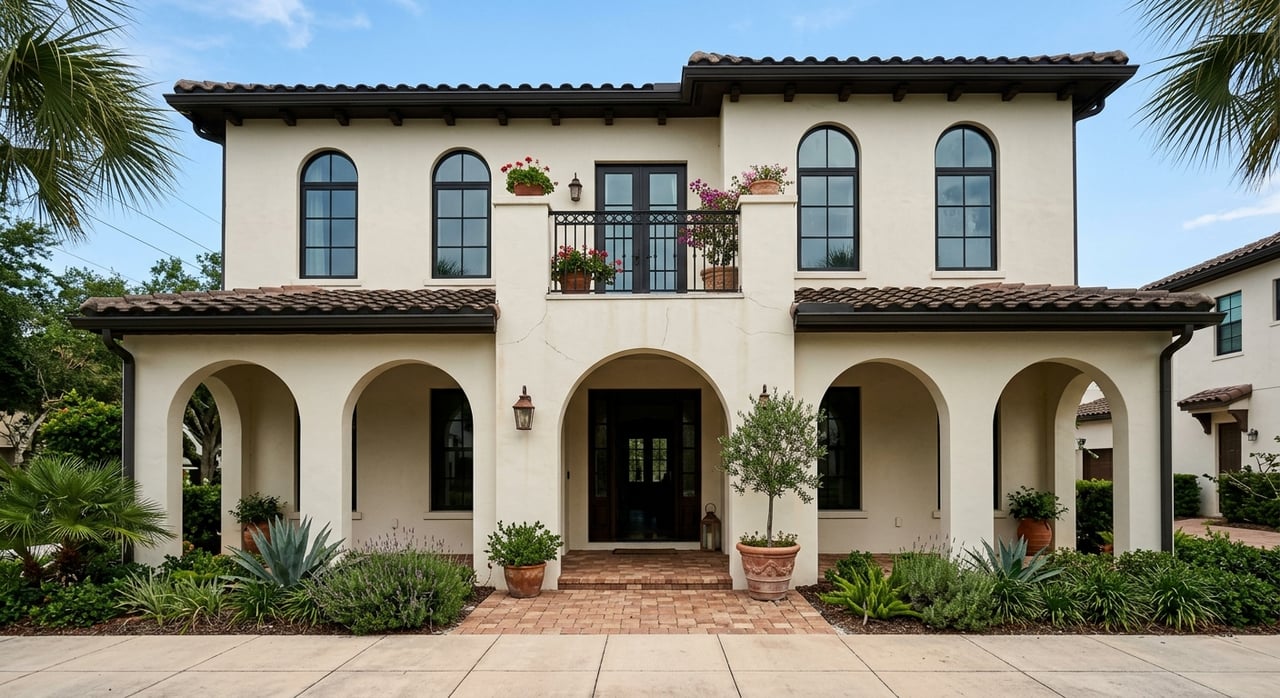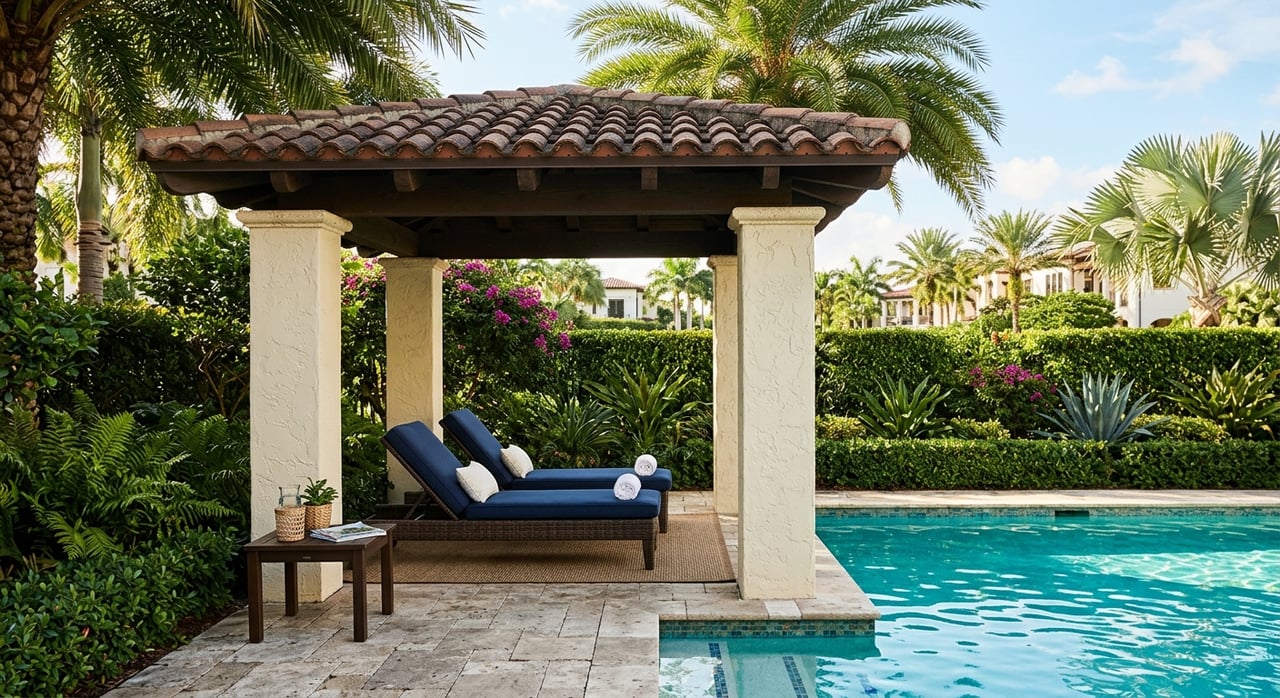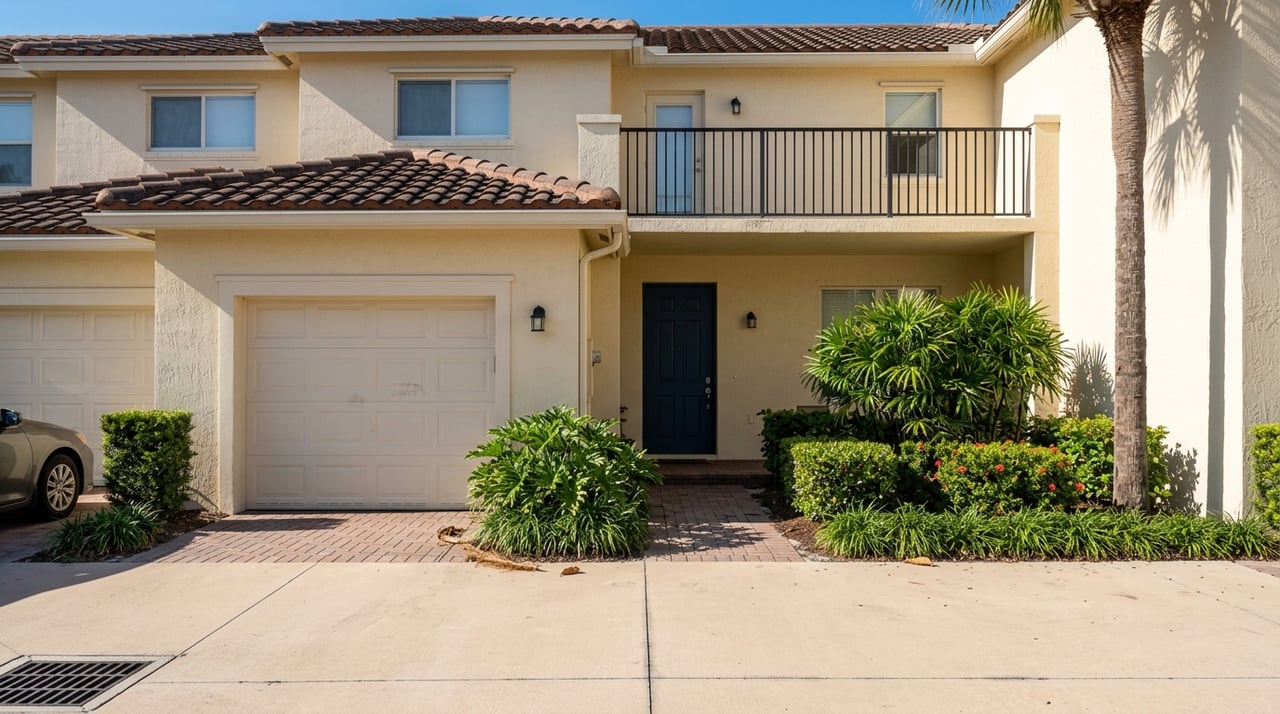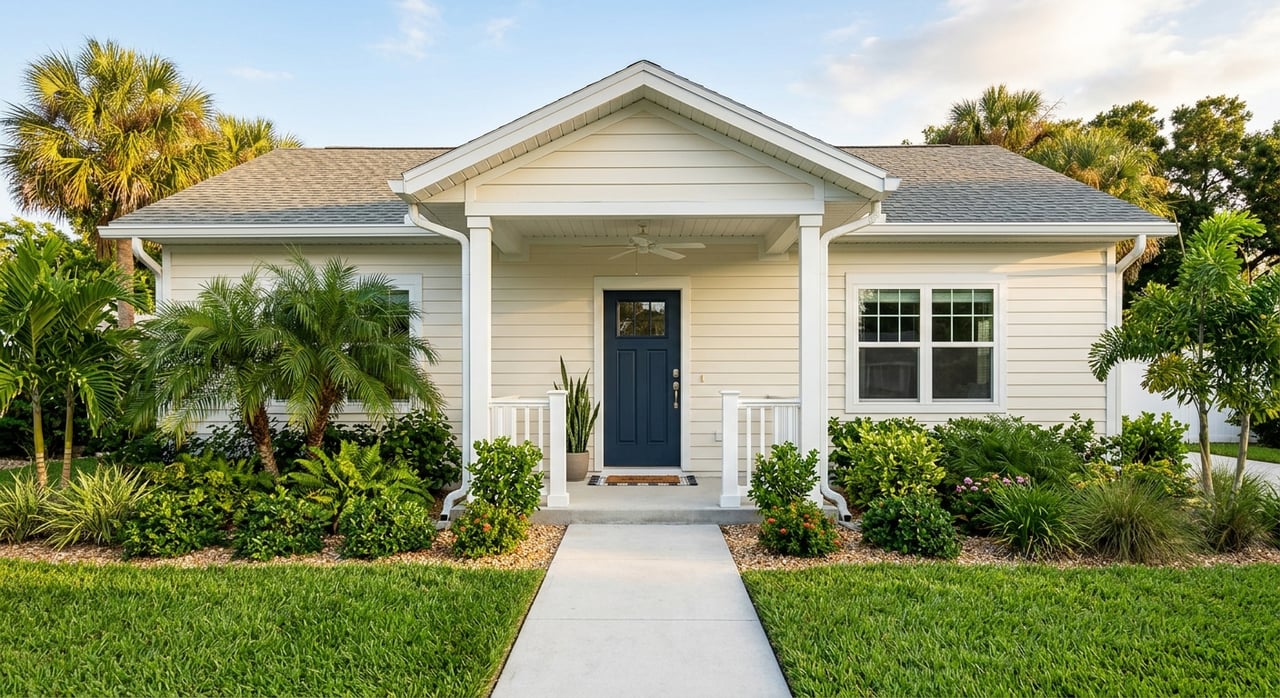
Looking for a place near the parks that you can enjoy and also rent out? In Davenport, you’ll see two similar options with very different rules and numbers: condo-hotels and standard condos. Choosing the wrong one can impact your financing, how often you can use the property, and your true return after fees and taxes. In this guide, you’ll learn how each option works in Davenport’s resort corridor so you can match the property to your goals. Let’s dive in.
Quick definitions in Davenport
Condo-hotel: You own a condo unit inside a building operated like a hotel. Guests book short stays, and a central program handles reservations, housekeeping, and marketing. Owners typically receive net revenue after management fees and other costs.
Standard condo: You own a residential condo with an HOA. You can live in it, rent long term, or rent short term if the HOA and local rules allow it. You usually control your own marketing and management.
Davenport sits along the Orlando resort corridor near I-4 and the major attractions. This area is built for tourism. Occupancy and nightly rates swing with seasonality and proximity to parks and resort amenities. That means your income and costs will vary by location, product type, and time of year.
Financing: What you can and cannot do
Big takeaway: Condo-hotels are harder and more expensive to finance. Standard condos in eligible projects usually have more lender options.
Conforming loans (Fannie Mae/Freddie Mac)
- Standard condos may qualify if the condo project meets agency project-eligibility rules, including reserves, owner-occupancy ratios, and limits on commercial space.
- Condo-hotels often fail those tests due to transient operations, hotel-style services, and heavy investor ownership. Many mainstream lenders will not offer conforming loans on condo-hotel units.
- Action step: If you need a conforming loan, confirm the project is eligible before you write an offer.
FHA and VA loans
- FHA and VA have strict condo project approvals and restrictions on transient use.
- Most condo-hotel projects do not qualify because they operate as short-term lodging.
- Action step: If you plan to use FHA or VA benefits, a standard condo in an approved project is the practical path.
Portfolio, specialty, and DSCR lending
- Many condo-hotel buyers use portfolio or DSCR loans underwritten to the unit’s rental income.
- Expect higher down payments, often 20 to 35 percent or more, plus higher rates and fees.
- Lenders typically request rental history, management agreements, and occupancy data for underwriting.
- Terms may be shorter or structured differently than a standard 30-year fixed, though some specialty lenders do offer longer terms.
Primary residence vs investor loans on standard condos
- Primary residence loans on standard condos are usually the most affordable option.
- Investor loans on standard condos cost more than primary loans but are still widely available if the project is eligible.
- Action step: Confirm project approval status and your intended use with your lender upfront.
Owner use and rental rules
Big takeaway: Condo-hotels are built for transient rentals with centralized control. Standard condos vary by HOA rules.
Common condo-hotel program terms
- Mandatory rental program enrollment is common. Your unit is marketed with other rooms, and the operator controls pricing and bookings.
- Owner stays may be limited to a set number of days per year, sometimes between 30 and 90 days. Blackout dates can apply.
- Housekeeping standards, linens, and maintenance typically follow hotel protocols. You may not be able to customize furnishings or operations.
Standard condo flexibility
- Many HOAs allow long-term rentals but either restrict or ban short-term stays under a certain number of days.
- If short-term rentals are allowed, you can often self-manage or hire a third-party manager.
- Action step: Read the condominium documents and rental policies. Do not assume short-term rentals are allowed just because the area is tourist-friendly.
Fees to understand
- Condo-hotels generally carry higher HOA expenses due to front desk services, housekeeping, amenities, and centralized systems.
- Rental management commissions can range widely and often fall between 20 and 50 percent of gross rental revenue when bundled with housekeeping and marketing.
- Confirm reserve practices. Heavy guest use can drive larger capital needs.
Revenue, costs, taxes, insurance, and resale
What drives revenue in Davenport
Nightly rate and occupancy shift with seasonality, school breaks, and events.
Unit size, amenities, and proximity to attractions matter.
Marketing channels, quality standards, and cancellation policies influence both demand and price.
Condo-hotels can show strong gross revenue in peak seasons, but net income is reduced by management commissions and higher operating costs.
Typical costs that shape your net
- Management commissions, housekeeping, and booking fees
- HOA dues and special assessments
- Utilities, cable, Wi-Fi, and supplies
- Local transient occupancy taxes and tourist development taxes
- Insurance and liability coverage
- Replacement reserves for wear and tear
Model your net using conservative assumptions for occupancy and nightly rate. Focus on the owner payout schedule, not just gross bookings.
Taxes and registrations
- Rental income is taxable. You can typically deduct related expenses and depreciation; consult a tax professional.
- Polk County and the City of Davenport levy and enforce local transient occupancy and tourist taxes. Management may collect and remit on your behalf, but you are responsible for compliance.
- Some jurisdictions require business tax registration or rental permits for short-term rentals. Confirm what applies to your specific address.
Insurance and risk
- Condo owners usually carry an HO-6 policy for the interior and personal liability. The association’s master policy covers the structure and common areas.
- For short-term rentals and condo-hotels, carriers may require endorsements or specialized coverage. Verify that your policy covers transient guests, liability, and loss of income.
- Review the association’s master policy and deductible structure so there are no gaps between master and unit coverage.
Resale and liquidity
- Standard condos can appeal to both owner-occupants and investors, which often broadens the buyer pool.
- Condo-hotels primarily attract investors or second-home buyers who accept the program rules, which can narrow demand.
- Financing for condo-hotel resales can be limited, which affects liquidity and pricing. Some projects also have transfer fees or rights of first refusal. Review these before you buy.
Which option fits your goals
- You want frequent personal use and control: A standard condo usually fits better, especially if short-term rentals are not your top priority.
- You need FHA, VA, or a conforming loan: A standard condo in an eligible project is the practical path.
- You want turnkey short-term rental with minimal hands-on management: A condo-hotel can be attractive, but budget for higher fees and confirm actual net cash flow.
- You prefer long-term tenants: Standard condos offer more flexibility and often lower operating costs.
Davenport due diligence checklist
Gather these items early, either before contract or during your review period:
- Full condominium declaration, CC&Rs, bylaws, and amendments
- Rental program and owner participation agreements
- HOA budgets, current financial statements, and the latest reserve study
- HOA meeting minutes for the last 12 to 24 months
- Unit-level and project-level occupancy, ADR, and profit and loss for 12 to 36 months
- Master insurance policy and a summary of owner HO-6 requirements
- Current HOA fee schedule, what fees include, and a record of recent increases
- Management commission schedule, housekeeping fees, and an example net payout statement
- Owner-use restrictions, booking rules, and blackout dates
- Tax registration requirements and who remits transient taxes
- Project eligibility notices for FHA, VA, and conforming loans
- Litigation disclosures for the association or management company
- Resale restrictions, transfer fees, or rights of first refusal
How to model returns like a pro
Establish performance assumptions. Use recent unit and project history for occupancy and ADR, and create base, low, and high scenarios.
Subtract management costs. Include commissions, housekeeping, booking fees, credit card fees, and any brand or marketing costs.
Add fixed costs. HOA dues, utilities, insurance, property taxes, and reserves for replacements.
Account for transient taxes and compliance costs. Confirm who collects and remits and how that impacts cash flow.
Include financing. Model principal and interest based on likely loan terms for your property type.
Stress test. Run a low occupancy scenario tied to off-season months. Make sure you can carry the unit comfortably.
Compare options. Run the same model for a standard condo that you would operate as a long-term rental if short-term is not allowed.
Work with a local, investor-aware guide
Buying near Davenport’s attractions can be rewarding if your financing, usage plan, and cash flow model align with the property’s structure. The key is getting the right documents early, confirming project eligibility with your lender, and using conservative assumptions for revenue and costs.
If you want a clear, side-by-side path through condo-hotels and standard condos, we can help. Our team pairs local market knowledge with an investor-aware approach so you can buy with confidence. Ready to explore properties or review your numbers together? Connect with Millan Astray Realty. Se habla Español.
FAQs
What is a condo-hotel in Davenport?
- A condo-hotel is a deeded condo inside a building that operates like a hotel, with centralized reservations, housekeeping, and short-term rentals that pay owners a net share after fees.
Can I get an FHA or VA loan on a condo-hotel?
- Most condo-hotel projects are not eligible for FHA or VA due to transient lodging rules, so buyers usually need portfolio or specialty financing.
How often can I use my condo-hotel unit?
- Many programs cap personal use, often in a range like 30 to 90 days per year, and may include blackout periods; check the specific documents.
What are typical condo-hotel management fees?
- Bundled commissions that include housekeeping and marketing can range widely and often land between 20 and 50 percent of gross rental revenue.
Are short-term rentals allowed in standard Davenport condos?
- It depends on the HOA and local rules; many HOAs allow long-term rentals but restrict short-term stays, so you must review the condo documents.
Who pays Polk County tourist and transient taxes?
- A management company may collect and remit taxes for you, but you are responsible for compliance; confirm registration and remittance for your unit.
What should I review before buying a condo-hotel?
- Request the condo declaration, rental program agreement, HOA financials, reserve study, unit and project P&Ls, insurance policies, and any resale or transfer restrictions.