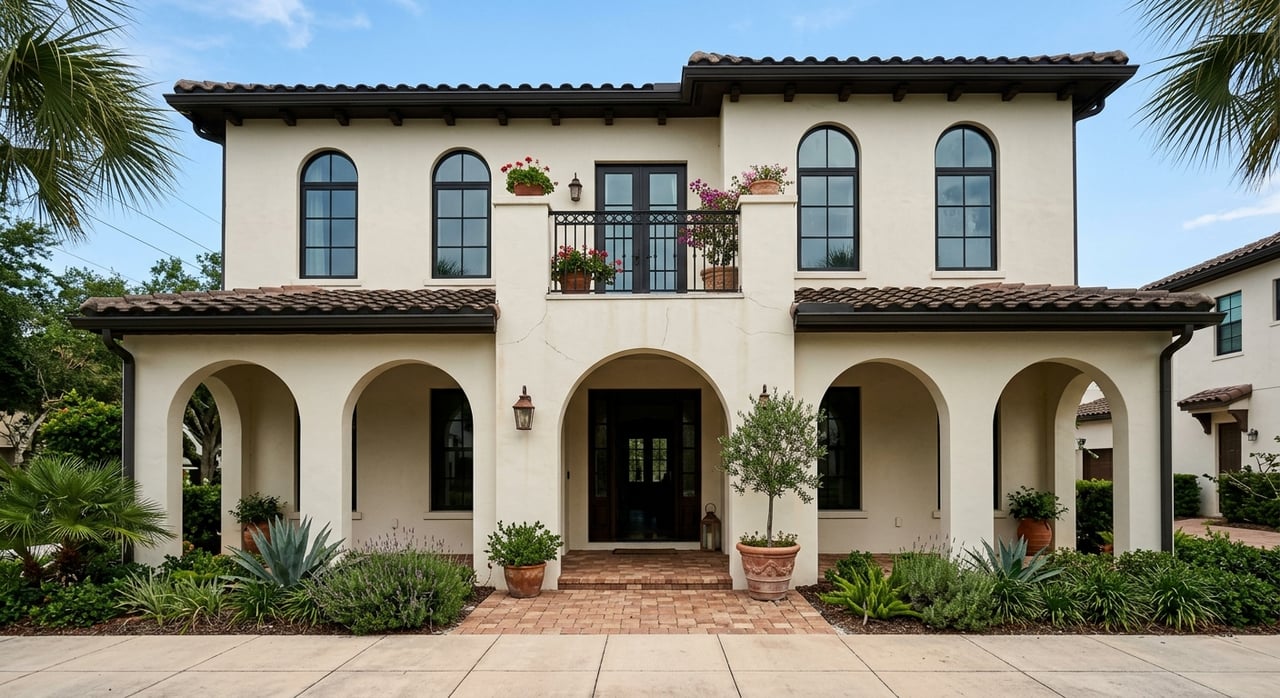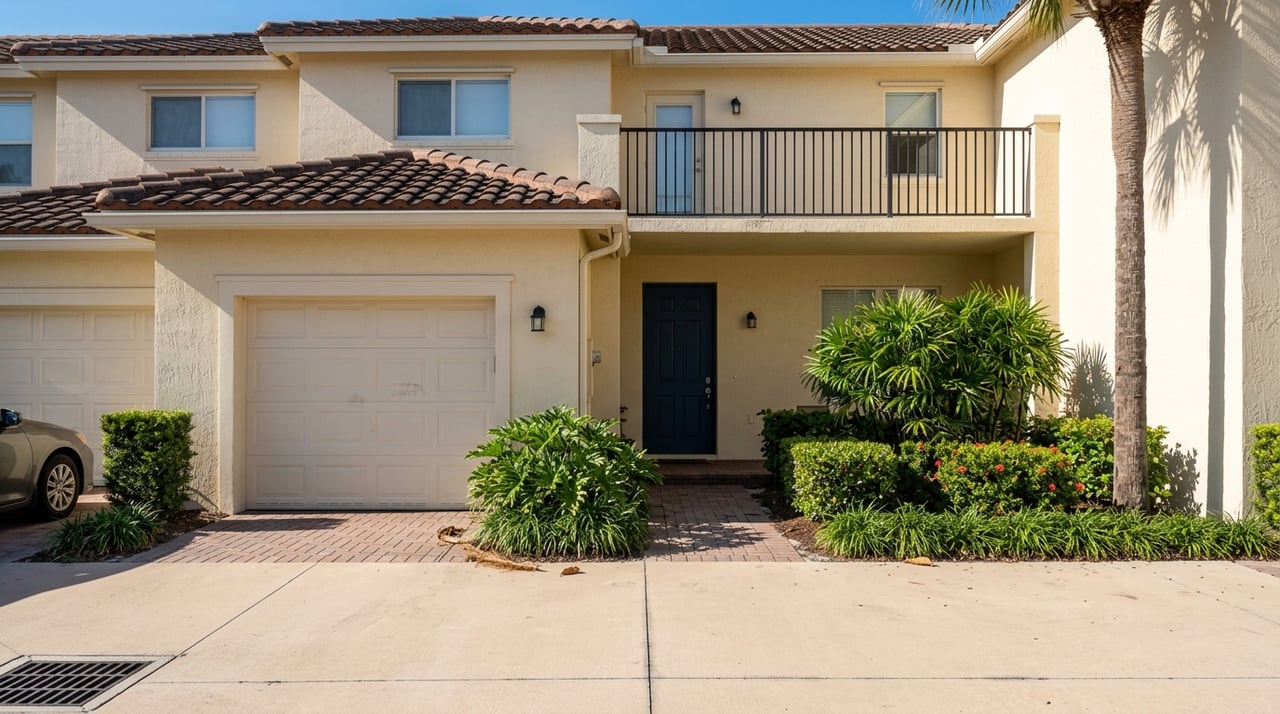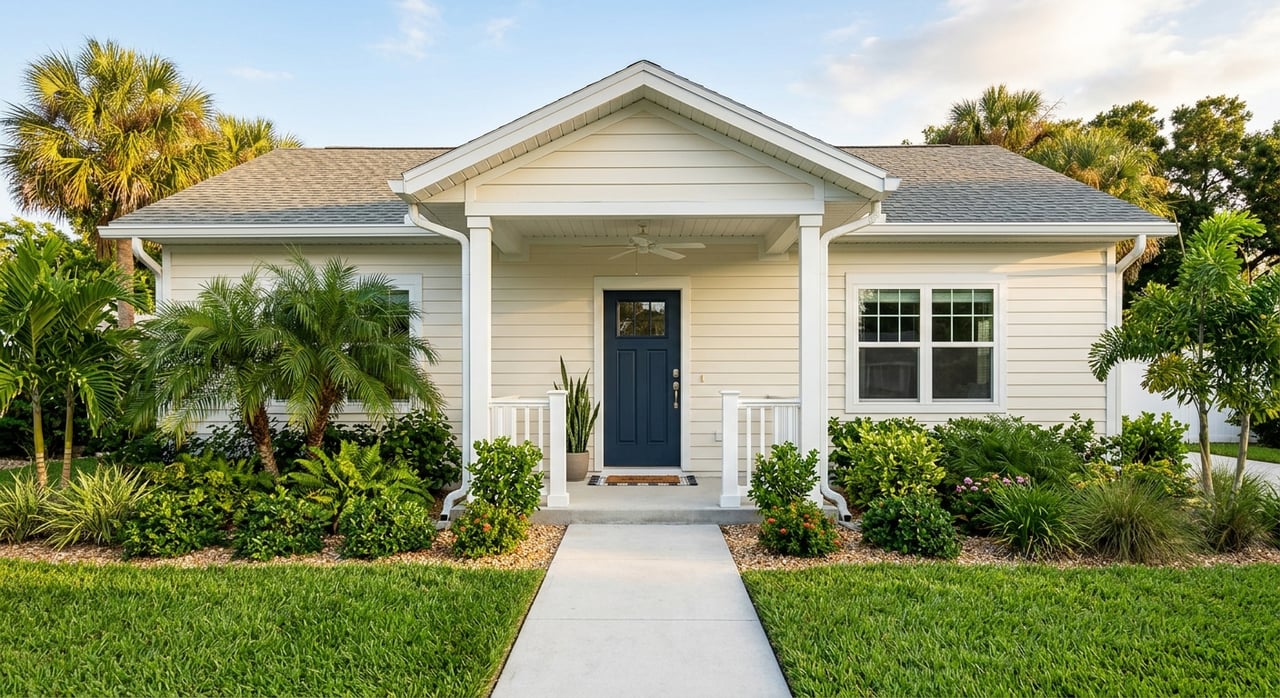
Wondering what your Winter Park home is really worth? You know every block here tells a different story, from lakefront lots to tree-lined streets near Park Avenue. Getting the number right can shape your timing, repairs, and next move. In this guide, you’ll see how instant estimates compare to a custom CMA, how value works across Winter Park’s micro markets, a simple 3–6 month prep plan, and what to send to get the most accurate price range. Let’s dive in.
What drives value in Winter Park
Winter Park’s charm is layered. You have historic bungalows and mid-century homes near downtown, newer infill construction, and a mix of condos and townhomes. Proximity to Park Avenue’s dining and retail, cultural attractions, and Rollins College often increases demand. Tree canopy, walkability, and quiet cul-de-sacs can also shape buyer interest.
Lake properties deserve special attention. Lakefront or lake-view parcels usually carry a premium. Even small differences in lake frontage, easements, or dock rights can move value by a meaningful amount. If your property touches water or enjoys a view, that detail belongs front and center in pricing.
You will also see distinct micro markets within Winter Park. Homes in the historic core differ from those in newer gated subdivisions. Lakefront, inland, and canal locations trade differently. Streets with heavy traffic can price differently than calm, tucked-away blocks. These nuances show up in price per square foot, buyer profiles, and days on market.
Seasonality exists, but it is gentler than in colder states. Late winter and spring often bring more buyer activity locally. If you are on a 3–6 month timeline, preparing early and listing just before or during demand upticks can help.
Before listing, confirm flood zone status and any insurance considerations. Many homes sit near lakes and lower-lying areas, so FEMA flood maps and local floodplain designations matter. Also review HOA rules, deed restrictions, and any historic district guidelines to avoid surprises and support disclosures.
Instant estimate vs custom CMA
An instant estimate is fast. Automated valuation models use public data and broad market trends to give you a ballpark. They are helpful for a quick pulse check.
A custom CMA is built by a local agent who knows Winter Park’s micro markets. It compares your home to recent closed sales, active and pending listings, and relevant market indicators. It also adjusts for interior condition, upgrades, pools, lot features, and street location. In a segmented market like Winter Park, a custom CMA is usually the better guide for setting a list price and predicting your likely sale range.
Use an instant estimate to get oriented. Use a custom CMA to make confident decisions.
How your CMA is built
Gather the right data
A strong CMA starts with accurate property details: verified square footage, lot size, bed and bath count, year built, major renovations and dates, pool and garage, and special features like lake access or a dock. Confirm tax records, deed history, and permits through local sources such as the Orange County Property Appraiser, the county’s official records, and the local building department. Check flood zone status and any elevation certificate if available.
Select the best comps
Great comps are similar, nearby, and recent. When exact matches do not exist, your agent selects the closest options and applies reasoned adjustments.
- Prioritize closed sales first, then pending sales for demand signals, then active listings for your competition. Review expired or withdrawn listings to understand pricing risk.
- Stay within your immediate micro market when possible. In Winter Park, that might mean the same street, block, or a recognized subneighborhood near Park Avenue or Rollins College.
- Use recent sales from the last 3–6 months. In faster markets, narrow the window; in slower markets, extend carefully.
- Match key attributes: property type, gross living area, bed/bath count, lot size, age and condition, pool status, and significant location factors like lake frontage or busy road exposure.
Adjust for key differences
Adjustments quantify how your home differs from each comp:
- Gross living area: adjust per square foot based on local ranges supported by close comps.
- Bedrooms and bathrooms: use standardized adjustments for count differences; larger adjustments for primary suite differences.
- Lot and view: lakefront and usable lake access add premiums; partial or distant lake views add smaller ones.
- Condition and renovations: updated kitchens, baths, roofs, HVAC, and systems support premiums; deferred maintenance reduces value.
- Pools: presence and condition matter; age and maintenance can moderate impact.
- Parking and layout: garage count, driveway capacity, and functional floor plans influence value.
- Location and street character: cul-de-sacs and park adjacency can add value; busy roads and noise exposure can reduce it.
Reconcile a value range
After adjustments, the CMA reconciles results from multiple comps to produce a value range rather than a single number. The range reflects current inventory, days on market, list-to-sale price ratios, and buyer demand in your immediate area. This is the foundation for your pricing strategy.
Example comp snapshot (illustrative only)
| Comp | Location & Type | Key Differences vs Subject | Adjusted Direction |
|---|---|---|---|
| A | Same subneighborhood, single-family | Slightly smaller, no pool, updated kitchen | Upward adjustment for subject’s pool |
| B | Nearby canal street, single-family | Larger lot with partial lake view, older roof | Mixed: premium for view, downward for roof |
| C | Busy connector road, single-family | Similar size and age, modern bath updates | Downward adjustment for road exposure |
This kind of side-by-side view shows how features and location refine value in Winter Park’s micro markets.
Choose your pricing strategy
Once you have a value range, you can choose how to position your list price:
- Market-aggressive: list at or slightly below market to drive showings and encourage multiple offers.
- Market-price: list near the middle of the range for steady traffic and traditional negotiation.
- Price-optimistic: list above market; this risks longer days on market and later reductions, and it can raise appraisal risk.
Your choice balances speed, net proceeds, and the likelihood of an appraisal meeting the contract price.
Your 3–6 month selling plan
A simple plan keeps you on track and reduces stress.
Months 3–6 before listing
- Gather documents: deed, survey if available, tax info, utility bills, HOA documents, appliance manuals, permits, and any prior inspections.
- Order a preliminary title check to surface liens or assessments.
- Consider a pre-listing inspection to identify issues that could affect value or financing.
- Confirm flood zone status and any elevation certificate or existing flood policy.
Months 1–3 before listing
- Fix high-impact items: roof leaks, HVAC problems, electrical hazards. Structural and system repairs often return more than cosmetic quick fixes.
- Declutter and stage key rooms. Paint in neutral colors. Update lighting and hardware where it counts.
- Boost curb appeal: trim landscaping, pressure wash, add fresh plants. In a walkable downtown area, first impressions matter.
- Complete any required HOA or city paperwork. Plan professional photos and, if desired, a 3D or virtual tour.
Weeks 0–4 before listing
- Final staging, deep clean, and carpet or floor refresh.
- Professional photography day. Ensure rooms are well lit and ready.
- Decide showing protocols and availability.
- Review pricing strategy and the marketing plan with your agent.
High-ROI prep to focus on
- Kitchens and bathrooms: minor updates can make a noticeable difference.
- Declutter and stage the living room, primary bedroom, and kitchen.
- Exterior refresh: roof cleaning, paint touchups, and a welcoming front door.
- Fix items that can derail deals or appraisals: visible termite damage, active leaks, or outdated electrical panels.
Legal and financial details in Winter Park
- Property taxes and homestead exemption: Orange County assessments affect annual costs and can differ from market value. Confirm current taxes with the county property appraiser.
- Flood insurance and FEMA zones: if your home is in a Special Flood Hazard Area, certain financing will require flood insurance. Verify your designation and keep any elevation certificate handy.
- Disclosures and inspections: Florida sellers must disclose known material defects. Many lenders require pest or wood-destroying organism inspections; a pre-listing approach may reduce surprises.
- Closing costs and transfer taxes: budget for title and escrow fees and documentary stamps. Who pays what can vary by contract and local custom. A title or closing company can provide exact figures for your scenario.
- Capital gains and taxes: federal rules and the primary residence exclusion may apply. Florida has no state income tax. For specific guidance, consult a CPA or tax attorney.
What to send for an accurate estimate
The more precise your data, the better your estimate and CMA. Share:
- Exact address and parcel ID
- Measured gross living area, bedroom and bathroom count
- Lot size and any water frontage, easements, or dock rights
- Year built and dates/scope of major renovations
- Permits for upgrades or additions
- Roof, HVAC, electrical, and plumbing status and ages
- Pool details, garage or parking, and any special features
- HOA name, monthly fees, and any rental restrictions
- Current mortgage balance, whether it is tenant-occupied, and planned occupancy at sale
- Any known defects or pending assessments
Next steps
If you are within 3–6 months of listing, start with a quick instant estimate to set expectations, then request a custom CMA that captures your Winter Park micro market, upgrades, and lot features. You will get a clear value range, tailored pricing strategy, and a prep plan to maximize your outcome.
Ready to see what your Winter Park home is worth and map the best timing? Connect with the team at Millan Astray Realty for your instant estimate and a custom CMA. Se habla español.
FAQs
How accurate are instant home value estimates in Winter Park?
- Instant estimates are fast but approximate; a custom CMA that uses local MLS comps and condition adjustments is usually more accurate for pricing a specific Winter Park home.
What comps matter most for a Winter Park CMA?
- Recent closed sales in the same micro market with similar size, age, lot type, and features matter most, with pending and active listings used to gauge current demand and competition.
Should I make repairs before listing my Winter Park home?
- Prioritize safety and major systems, then focus on high-ROI cosmetic updates and staging; address items that could affect financing or appraisals.
How long will it take to sell my Winter Park home?
- Timing depends on price, condition, and local activity; listing in line with the market and using strong marketing typically shortens days on market.
What if the appraisal comes in lower than my contract price?
- Common options include renegotiating, reducing the price, the buyer covering the gap, or cancelling if contingencies allow; realistic pricing and a well-supported CMA help reduce this risk.
How can I estimate my net proceeds from a Winter Park sale?
- Ask your agent or title company for a preliminary net sheet that factors in price, concessions, mortgage payoff, taxes, and closing costs to estimate your bottom line.