Thinking about buying a vacation home in Kissimmee and renting it out when you are not using it? You are in the right place. Kissimmee sits next to the world’s most visited theme parks, and short-term rentals here can perform well when you follow the rules and choose the right property. In this guide, you will learn how demand works, what returns look like, where rentals are allowed, what licenses and taxes apply, and the key steps to take before you buy. Let’s dive in.
Why Kissimmee attracts short-term renters
Orlando draws a huge visitor base every year. Visit Orlando reported 75.3 million visitors in 2024, with leisure travel as the majority and steady group and convention volume. That mix supports weekends and midweek stays.
Convention demand is not just a footnote. The Orange County Convention Center’s event calendar adds reliable midweek bookings that help smooth out slow periods for the region.
Proximity matters. Many Kissimmee resort communities sit about 10 to 15 miles from Walt Disney World, which often means a 20 to 35 minute drive depending on traffic. Listings closer to park gates tend to command higher nightly rates and stronger occupancy, creating a clear pricing gradient by drive time. This proximity effect is well documented for Kissimmee.
Seasonality shapes your calendar. Peaks typically hit during spring break weeks, the summer family season, and winter holidays. Slower periods often include late summer into early fall, when storm season risk is highest, and operators may discount to drive bookings. Market dashboards reflect these patterns for Kissimmee’s inventory. A recent dataset shows these seasonal swings and related revenue trends.
What property types perform best
Pool homes in resort communities
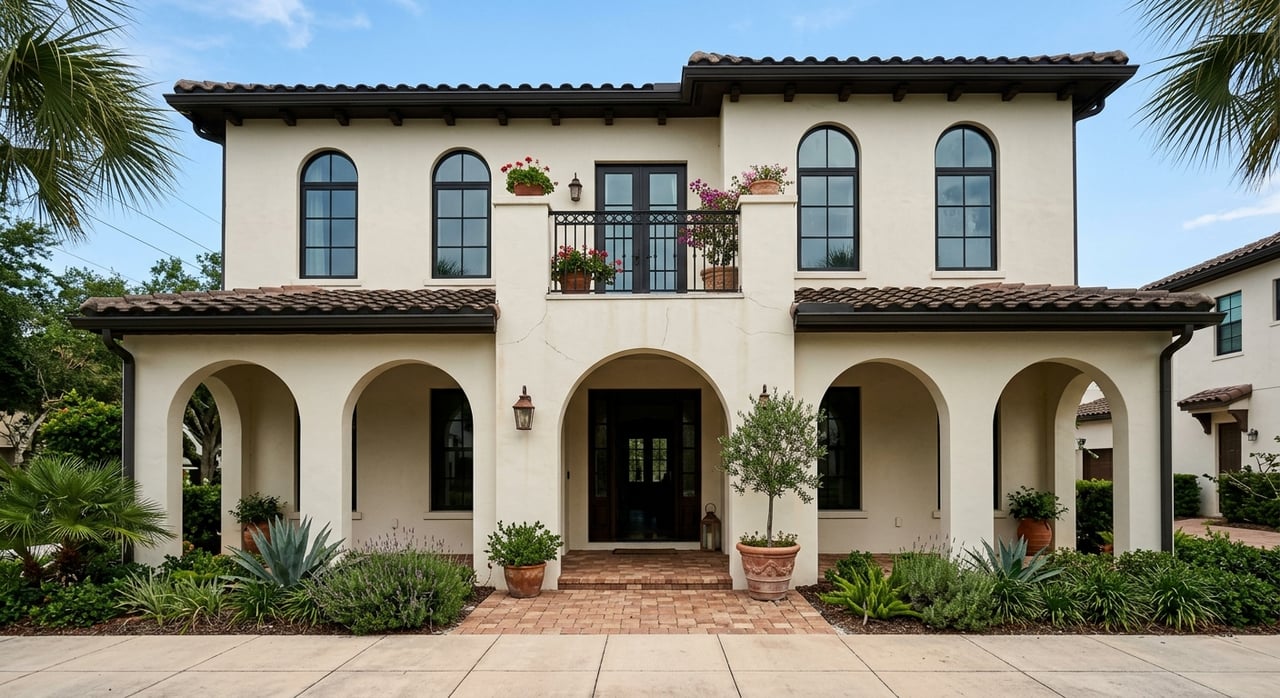
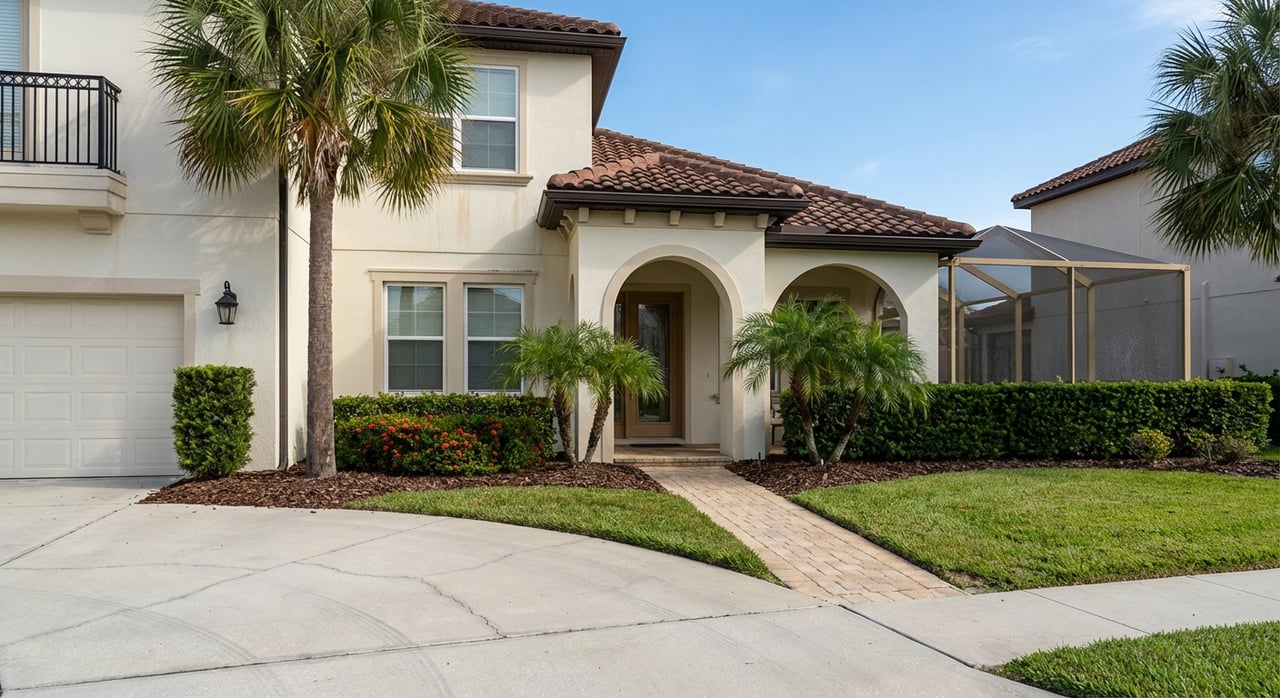
The leading product in Kissimmee is the 3 to 6 plus bedroom single-family home or villa with a private screened pool in a gated resort community. These homes target families and groups, often include themed bedrooms or game rooms, and are frequently professionally managed. Communities like Windsor at Westside, Windsor Hills, Terra Verde, Emerald Island, and Formosa Gardens are examples of this inventory type.
Townhomes and condos
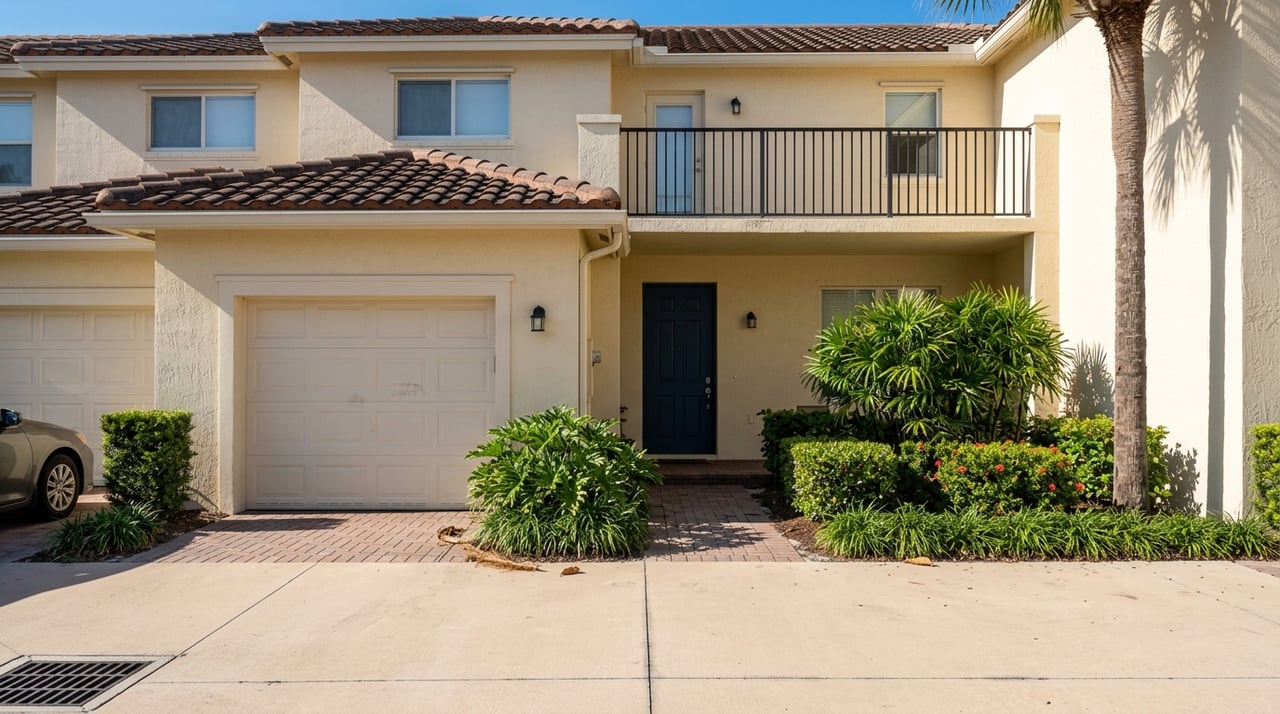
Townhomes and condos can be strong options with lower purchase prices and operating costs. While average nightly rates may be lower than large pool homes, you also reduce expenses like pool care and some utilities. These units can appeal to smaller families, couples, or business travelers.
Revenue, seasonality, and expectations
Market reports for Kissimmee often show median occupancy in the mid 60 percent range, roughly 67 to 68 percent, and average daily rates in the 170 to 200 dollars range for the broader market. Top properties near the parks can outperform these figures. Always compare to close comps by bedroom count, pool, and minutes to Disney. Use live data to validate current ADR and occupancy.
Expect wide swings by month. March, June through July, and late December are typically peak periods. Some September weeks can be among the slowest. Cleaning, staffing, and supplies will run higher in the peaks, so plan your budgets and reserves with seasonality in mind.
The rules you must follow
Zoning and permitted areas
Short-term rentals are not allowed everywhere. Within the City of Kissimmee, many short-term residential uses require a conditional use permit and must align with specific zoning rules in Title 14. The city advises owners to confirm requirements with the Planning and Zoning Division. Start by requesting written guidance for the exact parcel and code sections that apply. You can reach the city through its permitting contact page.
In unincorporated Osceola County, short-term rentals are only permitted in designated STR overlay or Short-Term Rental Planned Development areas, or in developments that have been approved for STR use. Always verify that a given address lies inside an STR overlay or an approved community. Review the county’s STRPD page for context. Get a written zoning confirmation before you go under contract.
State licensing with DBPR
Florida requires a state vacation rental license for most entire-unit short-term rentals through the Department of Business and Professional Regulation (DBPR), Division of Hotels and Restaurants. The license is separate from any city or county registration. Confirm the correct license type for your property, any inspection requirements, and what happens to the license on a sale. Find the DBPR forms and guidance here.
Taxes you will collect and remit
Most Kissimmee short-term rentals must collect and remit multiple taxes. Florida’s state sales tax on transient accommodations is 6 percent. Read the state guidance here. Osceola County’s Tourist Development Tax is 6 percent, and the Tax Collector notes the county is not contracted with Airbnb or VRBO to collect it for you. Owners and agents are responsible for registering and filing. See the county’s TDT page and requirements.
When you add the county discretionary sales surtax to the state sales tax and the TDT, many Osceola properties see a combined tax burden around 13.5 percent of gross rent. Always confirm the exact rate and filing steps for your address with the tax offices before you launch.
Stay current on law changes
State-level rules remain in flux. A 2024 statewide vacation rental bill advanced but was vetoed, which keeps most operational control with local governments. It is smart to monitor both state and local updates so your property stays compliant. Read the 2024 veto coverage for context.
Upfront due diligence checklist
- Verify STR legality for the exact parcel. Confirm whether the property lies within City of Kissimmee or unincorporated Osceola County, then obtain written zoning confirmation and the code citation or overlay map that allows STR use. Do not rely on listing remarks. Start with the city’s permitting contact and the county’s STRPD page.
- Review HOA or condo rules. Some communities prohibit STRs or set strict guest and vehicle policies. Request the full covenants and community rules in writing and confirm any gate, amenity, or registration process for guests.
- Confirm licensing and taxes. Determine the correct DBPR license type and application steps. Register for Florida sales tax and Osceola’s Tourist Development Tax, then set up a process to remit on time. DBPR forms. Florida sales tax basics. Osceola TDT registration.
- Build address-level comps and a budget. Pull recent comps for your bedroom count, pool, and distance to Disney. Model conservative, baseline, and upside scenarios for ADR and occupancy to stress test cash flow. Use a live market dataset for Kissimmee.
- Understand financing paths. Lenders treat primary residences, second homes, and investment or DSCR loans differently. Down payments, rates, and underwriting vary, so align financing with STR income expectations early.
- Plan for insurance and liability. Confirm your policy allows short-term rental activity. If the home has a pool, account for safety features, maintenance, and higher liability coverage.
- Decide on management. Full-service local management often costs about 20 to 30 percent of rental revenue, plus housekeeping and supplies. Compare proposals, fee schedules, and service levels, then factor these costs into your net projections.
- Get operationally ready. Expect rules on local contacts, noise, parking, and guest records. Set house rules and a 24/7 response plan. The county highlights recordkeeping and guest register requirements for TDT compliance. Review the county guidance.
Risk factors and how to mitigate
- Regulatory shifts and enforcement. Local rules can change. Favor properties already operating legally and keep permits, registrations, and records current. Monitor city and county agendas.
- HOA and condo restrictions. Community covenants can override your plans. Read them fully and secure written confirmation before you close.
- Weather and season risk. Storm season can bring cancellations, damage, and slower travel. Maintain reserves, carry appropriate insurance, and set a flexible but clear cancellation policy.
- Competition and supply growth. Four and five bedroom villas are common near the parks. Differentiate with amenities, design, and strong guest service, and track new supply in your micro area with current market data.
What this means for your strategy
Kissimmee offers a deep guest pool, familiar property types, and a proven seasonal rhythm. The path to a strong outcome is clear. Validate that your address is fully legal for STR use, align your property type with your target guest, and build a budget that reflects true operating costs plus the combined tax load. With the right comps, permits, and management plan, you can create a rental that serves your vacation goals and earns consistent income.
If you want local guidance on which Kissimmee communities allow STRs, how a specific address underwrites, or how to compare resort amenities and HOA rules, reach out. Our team at Millan Astray Realty offers personalized, bilingual advice and MLS-driven tools to help you buy with confidence. Se habla Español.
FAQs
What taxes apply to a Kissimmee short-term rental?
- Most owners collect Florida’s 6 percent sales tax plus Osceola County’s 6 percent Tourist Development Tax, and many properties also incur a county surtax that brings the combined rate to about 13.5 percent; owners must register and remit directly with state and county offices.
How close should my Kissimmee rental be to Disney?
- Homes within roughly 10 to 15 miles, often 20 to 35 minutes by car depending on traffic, tend to command stronger rates and occupancy because guests value shorter drives to park entrances.
Do I need a Florida license to run a vacation rental?
- Yes, most entire-unit short-term rentals require a state vacation rental license from the DBPR in addition to any city, county, and HOA approvals that apply to the property.
When are the busiest months for Kissimmee rentals?
- Peak demand often arrives in March for spring break, June through July for summer travel, and late December for the holidays, while parts of early fall can be slower.
What should I verify before making an offer on a Kissimmee STR?
- Get written zoning confirmation for the exact parcel, review HOA or condo rules, confirm DBPR licensing steps and tax registrations, and build a comp-driven budget with conservative, baseline, and upside scenarios.