Should you choose a brand‑new master‑planned home or a walkable historic address off Plant Street? In Winter Garden, both options are strong, but they offer very different day‑to‑day rhythms and cost considerations. You want a clear picture of lifestyle, HOAs and CDDs, commute patterns, and what to verify before you buy. This guide breaks it down in plain language so you can match a neighborhood to your goals. Let’s dive in.
Two great choices in Winter Garden
New master‑planned and lakeside communities
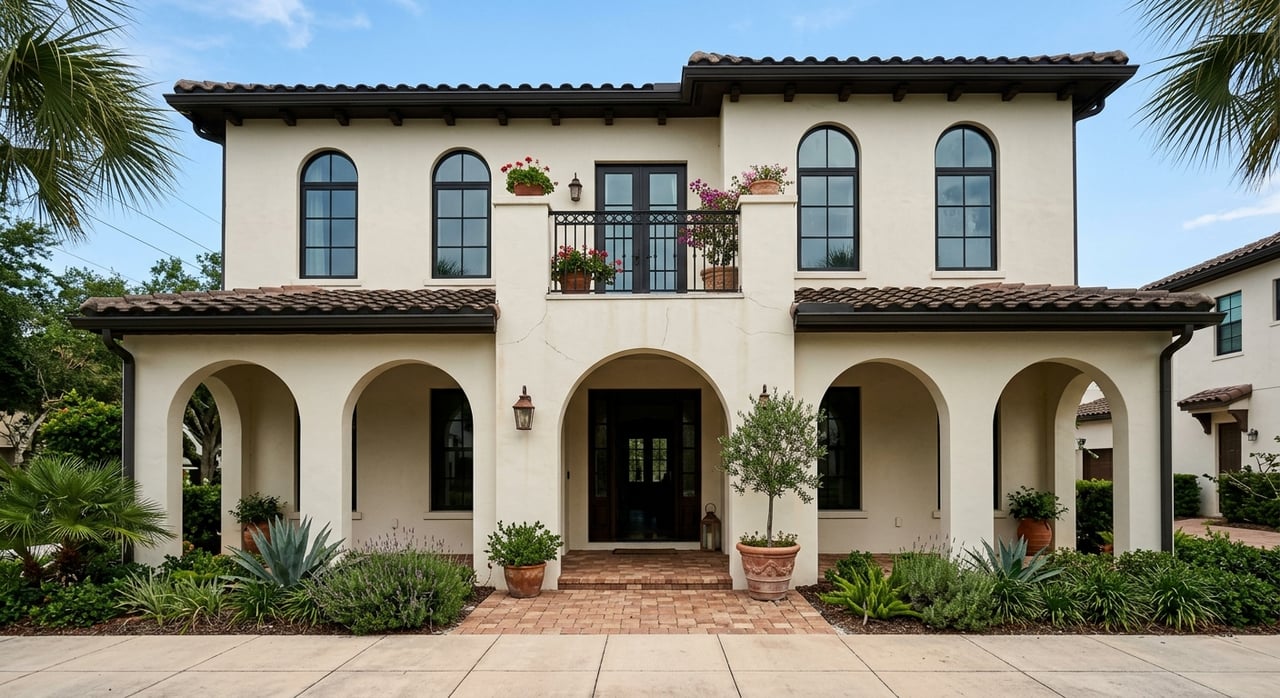
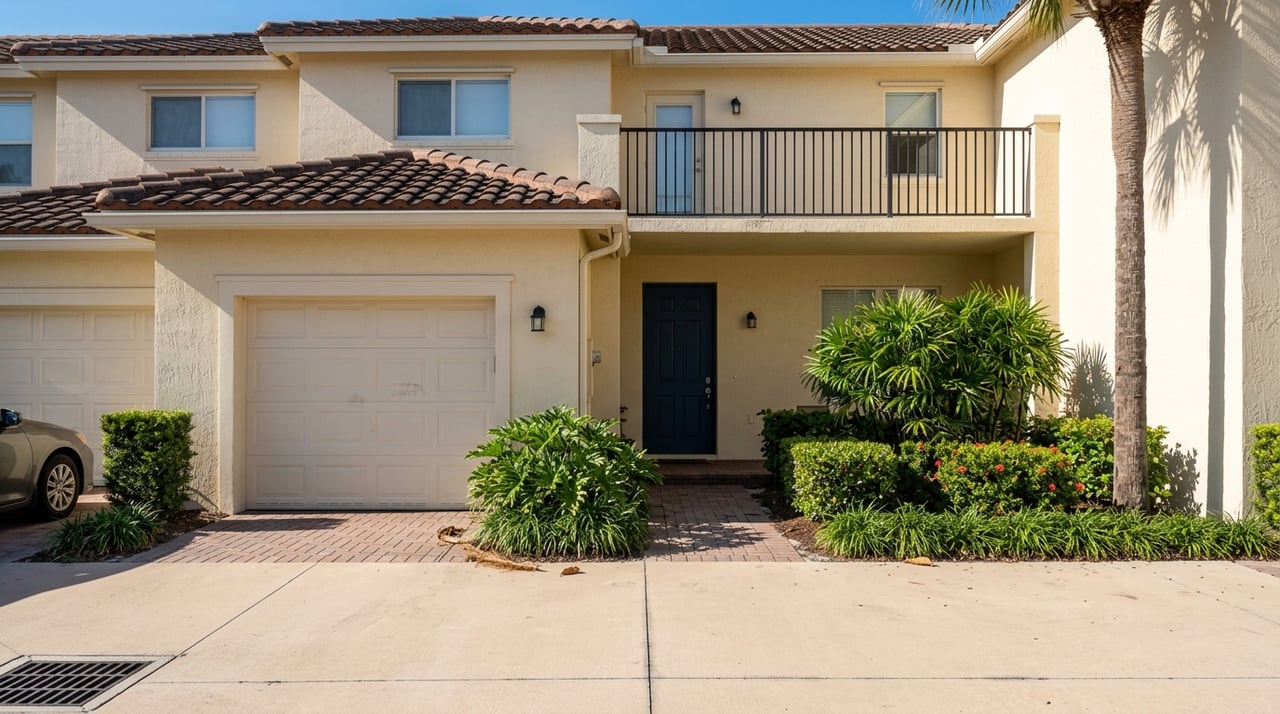
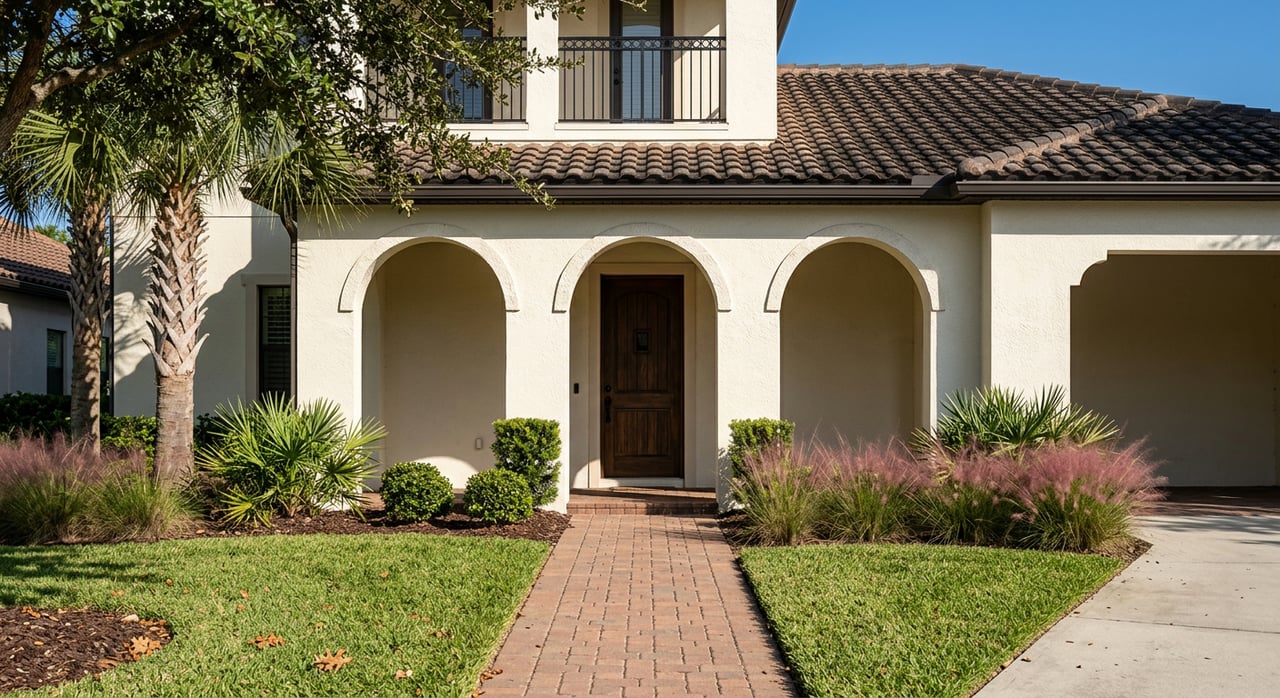
Newer villages in the Horizon West area were planned in the 2010s–2020s with neighborhoods, schools, and town centers grouped together for convenience. You’ll find single‑family homes, paired homes, and three‑story townhomes, often with open floor plans and modern finishes. To understand the broader planning context, read about the Horizon West area’s design and growth on the Horizon West overview page. (Horizon West background)
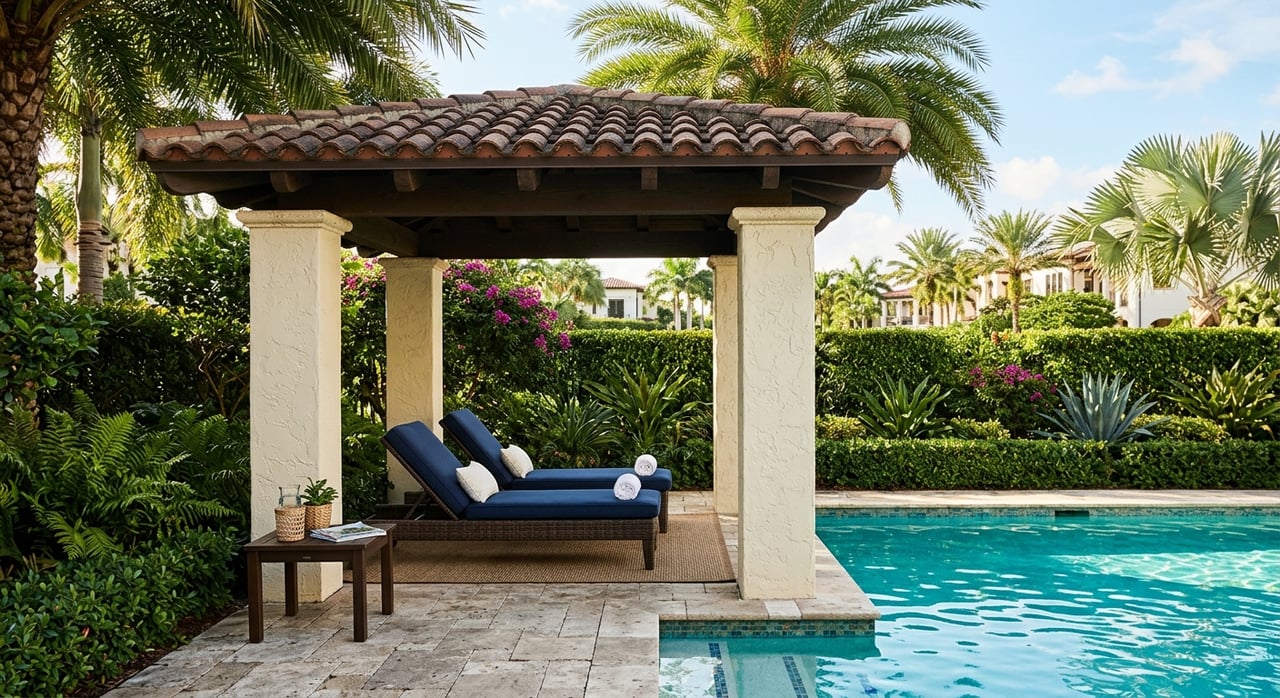
These communities often center around amenity hubs with resort‑style pools, clubhouses, fitness rooms, playgrounds, dog parks, and walking trails. Some villages place homes near a mixed‑use retail core so you can grab dinner or a coffee close to home, even if most larger errands still mean a short drive.
What to expect on pricing and ownership costs:
- Entry to mid‑market new townhomes commonly begin in the mid‑$400ks, and mainstream single‑family homes often run from the mid‑$500ks to the high‑$800ks, with lakefront or luxury options above $1M in select pockets. Prices change, so check current listings when you shop.
- HOAs are common and vary by community and phase. Some neighborhoods also include a Community Development District (CDD), which is a separate assessment that often appears on your property tax bill. Learn how Florida sets up CDDs in state law. (Florida CDD statute)
Pros to highlight: newer construction, builder warranties, and lots of resident programming. Tradeoffs: monthly HOA and possible CDD assessments, deed restrictions, and more driving for off‑site errands.
Historic Downtown Winter Garden
Downtown Winter Garden revolves around Plant Street and Centennial Plaza. It is a compact, preserved district on the National Register of Historic Places with brick sidewalks, the Garden Theatre, and a popular weekly farmers market. The West Orange Trail runs right through it, giving you a strong bike and walking connection. Explore the city’s overview of the downtown district to see why it draws so many residents and visitors. (Downtown Winter Garden overview)
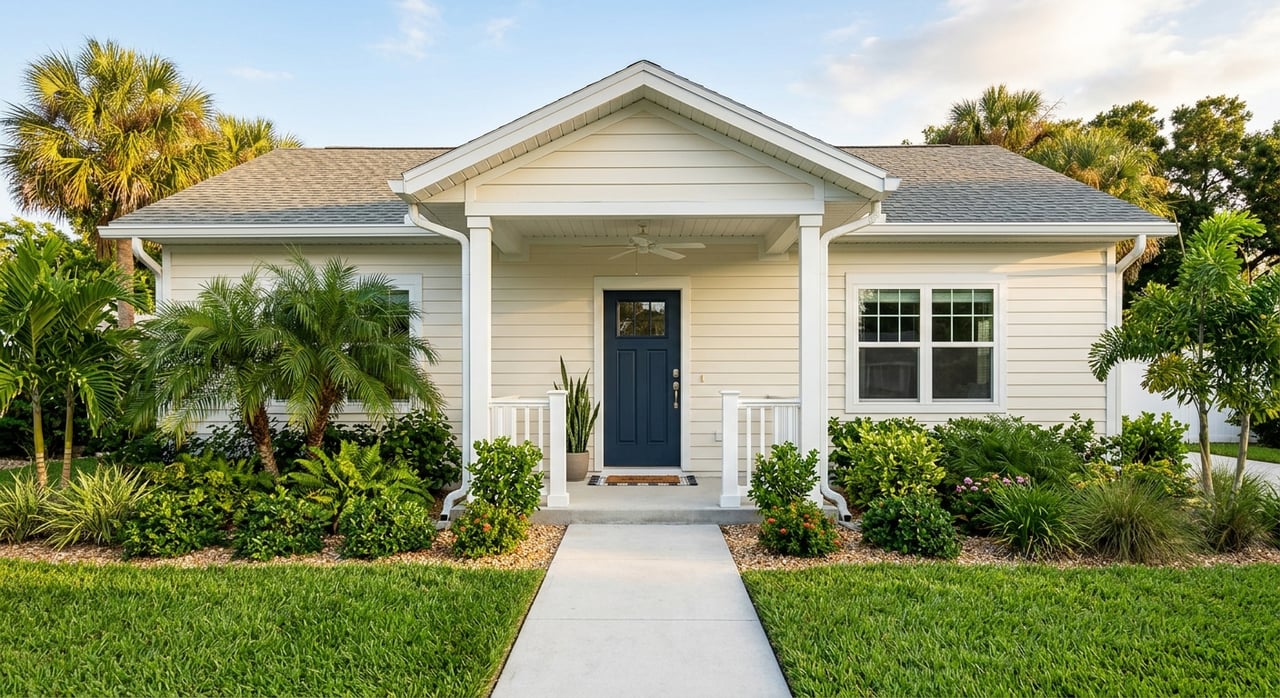
Housing options include early‑20th‑century bungalows, renovated cottages, infill townhomes or condos, and a few loft‑style units above retail. Lot sizes tend to be smaller and closer to the street than suburban villages. Many standalone homes here have no HOA, and small condo or townhome associations usually keep dues focused on basic common areas rather than large amenity centers.
Everyday life centers on local businesses and frequent events. The Plant Street Market food hall and the weekly farmers market create a lively, walkable routine that feels different from a suburban amenity campus. Read more about Plant Street Market and the surrounding small‑business scene. (Plant Street Market)
Because downtown is a destination and highly walkable, you often see a location premium in prices when true walkability and trail access are part of the address. Inventory can be tight, and renovated historic homes may command strong values.
Lifestyle tradeoffs you will feel day to day
Walkability and errands
- Downtown: You can stroll to coffee, dinner, and weekend markets. The West Orange Trail puts bike rides and jogs at your doorstep. (City page for Plant Street Market)
- Newer villages: You get sidewalks, trails, and sometimes a village center, but most grocery and employer trips are a short drive. The overall pattern still leans car‑forward.
Weekends, culture, and social life
- Downtown: Theaters, markets, live music, and seasonal festivals bring an active social calendar and visitor energy. See why local media celebrate Plant Street’s main street vibe. (Best Main Streets feature)
- Newer villages: Community pools, resident events, and kids’ programming are the heart of social life. Activities are resident‑focused rather than citywide.
Commuting and transportation
Winter Garden commuting is mostly by car, with SR‑429 offering access to the west side of Orlando. The city’s mean travel time to work sits around 27 minutes, though your peak times may differ. It is smart to time‑test your drive at the actual hours you plan to travel. (Winter Garden commute data)
Schools and zoning
Winter Garden is within Orange County Public Schools. School assignments are address specific and can change as new campuses open. For example, Horizon High serves parts of the Horizon West area. Always verify your home’s exact school assignments using OCPS tools. (Horizon High School)
Costs, HOAs, and CDDs explained
How HOAs work in newer communities
Many master‑planned neighborhoods have a master HOA and also sub‑associations by phase or product type. Dues vary based on services. Common inclusions are:
- Amenity access like pools, fitness centers, clubrooms, and parks
- Landscape or grounds maintenance in shared areas
- Front‑yard lawn care for certain product types
Amounts and coverage are address specific and can change as a community builds out. Always check the most recent disclosures and ask what the HOA covers today.
What a CDD is, and why it matters
A Community Development District helps finance infrastructure in many Florida master plans. CDD assessments are separate from HOA dues and often appear on your tax bill. They can last for many years as bonds are repaid. Before you buy, request the current CDD disclosure, the annual assessment schedule, and the remaining bond term for that specific lot. You can read how the state sets up and governs CDDs here. (Florida CDD statute)
Downtown ownership costs look different
Downtown homes often do not have an HOA. If you buy a standalone house, you will budget for your own yard and exterior maintenance. Condo or townhome dues, where present, typically focus on shared elements rather than large amenity campuses.
Which fit best for your goals?
- You want newer construction, planned amenities, and on‑site resident events: A Horizon West village like Hamlin, Waterleigh, or Ovation may be a strong match.
- You want to walk to dinner, markets, and the trail and can manage a smaller lot or older home: Historic Downtown around Plant Street could be your spot.
- You prefer lower monthly association costs and more independence on your property: Downtown single‑family options may suit you.
- You like predictable facility access and do not mind HOA/CDD line items: Master‑planned neighborhoods offer that structure.
Due‑diligence checklist before you decide
Use this quick list to compare any two addresses, one downtown and one in a new village.
- Confirm HOA details
- Ask for the HOA or condominium documents, recent meeting minutes, reserve study, and management contract. Verify the fee amount, how often it is paid, what it covers, and any rules that could affect your plans.
- Check CDD status
- If the property is within a CDD, request the CDD disclosure, current annual assessment schedule, and remaining bond term. Review Florida’s CDD framework for context. (CDD basics in Florida law)
- Verify schools by address
- Use OCPS tools to confirm current assignments and be aware that zones can shift as new schools open. (Horizon High School page)
- Review flood risk
- Pull the FEMA flood map for the parcel and ask for any elevation certificate. This can affect insurance costs, especially near lakes or retention areas. A local relocation guide explains why this step matters. (Flood check tip)
- Time‑test your commute
- The city’s mean travel time is about 27 minutes, but peak hours vary. Drive your route during the exact times you would travel. (Commute data)
- Confirm rental and resale rules
- If you plan to rent, check HOA rental rules and any local limits on short‑term rentals. Ask about builder warranties for new construction and review resale data for similar nearby homes.
Neighborhood examples to explore
Downtown core highlights
- Plant Street and Centennial Plaza with frequent events and live music. The city’s downtown page is a great primer if you are new to the area. (Downtown overview)
- Plant Street Market and nearby independent eateries and breweries give you easy, walkable options. (Plant Street Market)
- The West Orange Trail runs through downtown, connecting you to miles of biking and walking.
Newer villages and mixed‑use nodes
- Horizon West’s villages include master‑planned neighborhoods with sidewalks, recreation, and local retail in growing town centers. For background on the planning area itself, start here. (Horizon West background)
Quick facts about Winter Garden
- Population: roughly 47,000 residents citywide, reflecting strong growth over the last decade. (City profile data)
- Mean travel time to work: about 27.3 minutes. (Commute data)
- Median value of owner‑occupied housing: around $476,000 based on recent ACS data. Listing prices vary by product and timing. (Housing value data)
Ready to compare addresses with a local pro?
If you want a clear, side‑by‑side picture of a historic downtown home versus a new construction option, we are here to help. Get bilingual, high‑touch guidance, neighborhood insight, and a smart plan for HOAs and CDDs with Millan Astray Realty. Let’s match your lifestyle and budget to the right Winter Garden address. Se habla Español.
FAQs
What are the key differences between new communities and Historic Downtown Winter Garden?
- Newer villages offer modern homes, structured amenities, and HOAs or CDDs, while downtown emphasizes walkability, independent shops, and homes with little or no HOA near Plant Street. (Downtown overview)
What is a CDD fee in Winter Garden’s newer neighborhoods?
- A CDD is a separate assessment that helps repay bonds used to build infrastructure. It is different from HOA dues and often appears on the tax bill. (Florida CDD statute)
Is Historic Downtown Winter Garden walkable for daily errands?
- Yes. You can walk to dining, the Plant Street Market, and regular events, and you have direct access to the West Orange Trail through the core district. (Plant Street Market)
How do I verify which schools serve a Winter Garden address?
- Use OCPS tools to confirm current assignments, and note that zones can change as new schools open in growing areas like Horizon West. (Horizon High School)
What is the average commute time for Winter Garden residents?
- The mean travel time is about 27 minutes, but you should test your route during peak hours for a true picture. (Commute data)