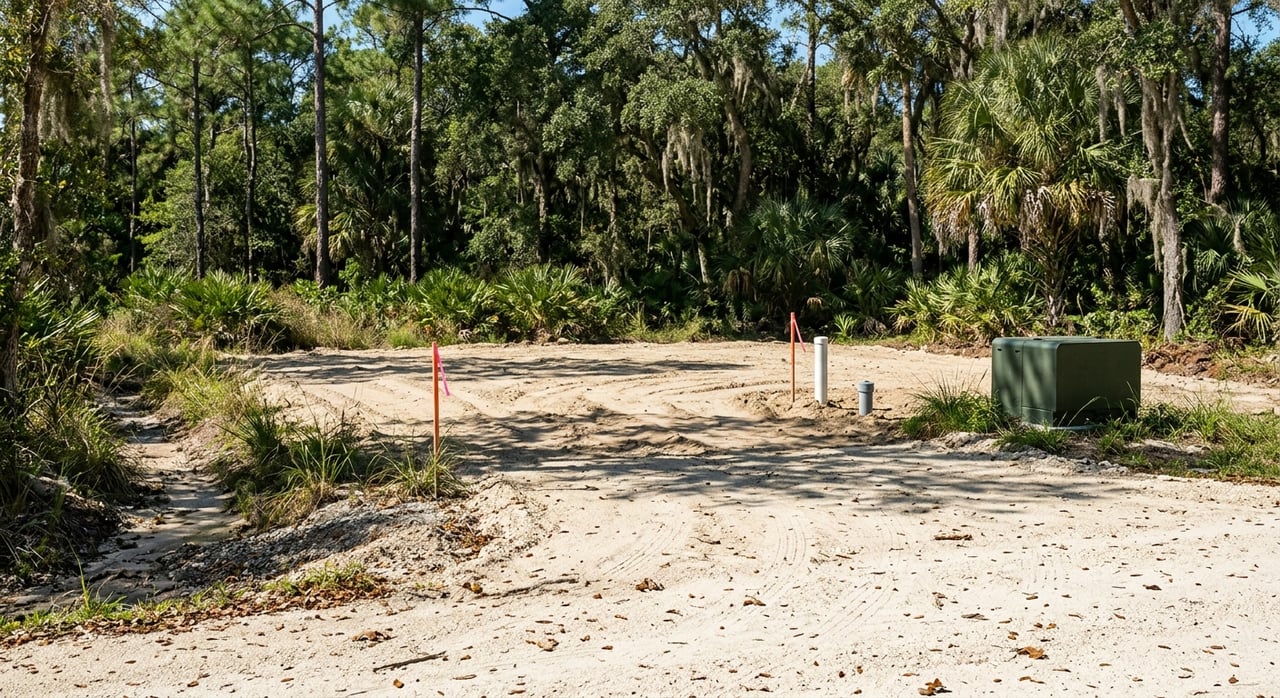
Buying land in Apopka can open up exciting possibilities, but it can also come with more moving parts than buying an existing home. A parcel that looks perfect online may have limits tied to zoning, utilities, floodplain rules, wetlands, or access that are not obvious from the listing. If you want to buy land or acreage with confidence, it helps to know what to check first, what can affect buildability, and which local offices control the answers. Let’s dive in.
Start With Jurisdiction
One of the first things you should confirm is where the parcel is actually governed. In the Apopka area, that may mean the City of Apopka, unincorporated Orange County, or a location affected by joint planning rules near the city edge. That matters because zoning, permits, utility coordination, and development review can follow different paths depending on the parcel’s location.
For property inside city limits, the City of Apopka Planning & Zoning Division is the first stop for zoning, planning, and code questions. For parcels outside city limits, Orange County often becomes the main authority for zoning verification, utilities, wetlands, floodplain review, and other development-related items. If you are looking at acreage near Apopka’s edge, it is smart to confirm whether annexation or joint planning considerations apply before you move too far forward.
Check Future Land Use and Zoning
A common mistake land buyers make is assuming the listing description tells the full story. It usually does not. Before you evaluate whether a parcel works for your goals, you should compare the property’s future land use designation and its current zoning.
In practical terms, the comprehensive plan shows what an area is generally intended to become over time, while zoning controls the specific use standards, lot dimensions, setbacks, and development criteria. The City of Apopka provides planning maps and comprehensive plan resources that can help you screen a parcel early. Those tools can be especially useful if you are considering a custom home site, a hobby farm setup, or a longer-term land hold.
It is also wise to verify the parcel ID, current zoning, and any permit history in public records before relying on marketing language. The City of Apopka offers public records access and permit lookup through its planning resources, and Orange County offers a formal zoning verification letter process. That extra step can help you avoid expensive assumptions.
Confirm Utility Access Early
On acreage, utility availability can be one of the biggest cost variables. Some lots may have access to public services, while others may need private systems, and that difference can reshape your budget quickly.
The City of Apopka notes that it provides potable water, wastewater treatment, reclaimed water for irrigation, and stormwater operations, although service availability can vary by property. Orange County Utilities serves water, wastewater, reclaimed water, and solid waste in unincorporated areas, and its water service information makes clear that buyers should confirm service details early. If a parcel needs a utility extension or does not have nearby service, your total project cost may look very different than expected.
When buyers are evaluating split lots or buildability, Orange County may require proof of utility feasibility up front. County lot-split materials specifically call for letters from the controlling utility provider confirming the availability or non-availability of central sewer and water service. In other words, a parcel is not truly build-ready until utility service is clearly resolved.
Understand Well and Septic Rules
If the property will not connect to public water or sewer, you may need a private well, a septic system, or both. That creates a separate due-diligence path and should be treated as a major part of your land purchase review.
In Orange County, the county health department handles septic permitting and inspection through its onsite sewage program. For wells, Florida guidance states that well construction permits are issued before drilling begins by the Department of Health or the applicable water management district. This is important because not every lot will be equally easy or cost-effective to serve with private systems.
Water quality matters too. According to the Florida Department of Health private well guidance, private well owners are responsible for making sure their water is safe to drink. The state recommends annual testing for bacteria and nitrate, plus lead testing every three years. If you are buying acreage with an existing well or planning to install one, this should be part of your planning and budget.
Screen Floodplain Risk
A beautiful piece of land is not always a simple building site. Floodplain status can affect permit requirements, finished floor elevations, insurance planning, and your overall development timeline.
The City of Apopka states that development in the floodplain requires an approved development plan and building permit through its flood preparedness guidance. Orange County also notes that FEMA Flood Insurance Rate Maps are the official flood maps and that properties outside special flood hazard areas are still not guaranteed to be free from flooding risk. Just as important, a standard homeowner’s insurance policy does not cover flood damage, and flood insurance typically has a 30-day waiting period before coverage begins.
If a parcel falls in a floodplain, the county may require a floodplain permit and elevation-related review before construction begins. That does not always mean the land is unusable, but it can affect cost, timing, and design.
Watch for Wetlands and Buffers
Wetlands are one of the biggest reasons raw acreage ends up being less usable than buyers expected. What looks like a large homesite on paper may have a much smaller practical building envelope once wetlands and buffers are considered.
Orange County says parcels with wetlands or surface waters may require a wetland determination before development. After a site visit, the county issues a letter verifying whether wetlands or surface waters are present and their approximate extent. The county also states that a Natural Resource Impact Permit is required before proposed wetland impacts.
This matters even more because Orange County has said that wetlands and surface waters make up roughly one-quarter of the county, and updated rules added a tiered permitting approach and a 100-foot upland buffer for most projects. For buyers, that means wetland presence can affect both usable acreage and permitting time in a very real way.
Do Not Overlook Trees and Clearing Rules
Many land buyers assume that once they close, they can clear the lot and start preparing for construction. In unincorporated Orange County, that may not be the case.
Orange County states that a tree removal permit is required for any vacant or undeveloped property in unincorporated Orange County. Depending on the site, land clearing and tree cutting may also require other approvals, including conservation-related permits or building permit coordination. If you are budgeting for site prep, this is something to verify before closing, not after.
Buildability Depends on Records and Survey
A parcel’s real value often comes down to what the records and survey show, not what the listing suggests. A current survey is one of the most useful tools you can have when evaluating land in Apopka.
Orange County lot-split and subdivision materials call for a sealed survey showing structures, easements, wetlands, the 100-year flood zone, adjoining rights-of-way, lot lines, dimensions, legal descriptions, and any existing septic tanks, drainfields, or wells where relevant. Those same materials also state that each lot must maintain at least 20 feet of fee-simple access to a dedicated public paved street. That is a strong reminder to verify legal access early.
Addressing can also affect buildability. Orange County explains that addresses are assigned only in conjunction with development and are not assigned to vacant land. If internal streets are needed, additional steps such as a street name petition may be required before addresses can be assigned.
Review Permit History and Official Records
Before you buy acreage, it is smart to look beyond maps and into the parcel’s record history. Previous permits, open violations, easements, and recorded plats can all affect what you can do with the land.
The City of Apopka notes that its lien-search report can reveal open or expired building permits, along with unpaid violations, fees, and charges. Orange County official records also help buyers research plats, easements, right-of-way documents, and other land-use records. These details can be important when you are confirming access, understanding title-related issues, or checking whether earlier site work was properly permitted.
If the parcel has a former commercial, fuel, or industrial use history, environmental records may also be worth reviewing. Orange County’s Environmental Protection Division maintains historical files and investigates issues tied to groundwater, hazardous materials, and petroleum or pollutant tanks, which can be relevant for certain properties.
Ask These Questions Before You Offer
If you are shopping for land or acreage in Apopka, keep this short checklist handy:
- Is the parcel inside the City of Apopka or in unincorporated Orange County?
- What are the current zoning and future land use designations?
- Does the lot have legal access to a dedicated public paved street?
- Is public water or sewer available, or will you need a private well and septic system?
- Is any part of the parcel in a floodplain?
- Are wetlands, surface waters, or required buffers present?
- Will tree removal or land clearing require permits?
- Are there easements, permit issues, or liens in the records?
- Does the parcel’s actual buildable area match your plans and budget?
Why Local Guidance Matters
Buying land is different from buying a move-in-ready home because so much depends on what you confirm before closing. In Apopka, the right path often involves planning review, utility checks, survey work, environmental screening, and records research long before you think about construction.
That is why local guidance can make such a difference. When you have someone helping you connect the listing, the public records, and the real-world questions that affect buildability, you can make a more informed decision and avoid surprises. If you are thinking about buying land or acreage in Apopka, Millan Astray Realty can help you evaluate opportunities, ask the right questions early, and move forward with a clearer plan.
FAQs
What should you verify first when buying land in Apopka?
- You should first confirm whether the parcel is in the City of Apopka or unincorporated Orange County, because that determines which rules, permits, and review processes apply.
How do zoning and future land use affect an Apopka land purchase?
- Future land use shows the general long-term intent for the property, while zoning controls the specific uses, setbacks, lot standards, and development criteria that affect what you may be able to do now.
Can utility access change the cost of buying acreage in Apopka?
- Yes. Public water and sewer availability can vary by property, and if a lot needs private systems or utility extensions, your total project cost may increase significantly.
Do you need to check for wetlands before buying land in Orange County?
- Yes. Wetlands and required buffers can reduce usable acreage, add permitting steps, and extend your timeline, so a wetland determination is often an important part of due diligence.
Why is a survey important when buying vacant land in Apopka?
- A current survey can help confirm access, easements, flood zone areas, wetlands, boundaries, and other factors that affect whether the parcel fits your plans.
Can you get an address for vacant land in Orange County right away?
- No. Orange County states that addresses are assigned in connection with development, not simply because a parcel exists as vacant land.