Buying a vacation home in Davenport can look straightforward until the fee stack comes into focus. A property’s list price is only part of the story, especially in resort-style communities where HOA dues, CDD assessments, and guest-facing resort fees may all affect your monthly costs and long-term returns. If you want to understand what these charges really mean before you buy, this guide will help you break down the numbers and ask better questions. Let’s dive in.
Why Davenport vacation-home fees matter
In Davenport’s vacation-home market, fees can shape affordability just as much as the purchase price. A home that seems like a strong value upfront may carry recurring costs that change your monthly budget and your investment projections.
That matters whether you plan to use the home personally, rent it short term, or do both. When you understand the full fee picture early, you can compare communities more accurately and avoid surprises after closing.
The three main fee layers
Most Davenport vacation homes fall into one or more of these categories: HOA dues, CDD assessments, and resort or amenity fees. Each one serves a different purpose, and each one affects your cash flow in a different way.
HOA dues
HOA dues are recurring charges that help fund the operation and upkeep of a community. In Florida, HOA budgets must show operating expenses and separately list fees or charges tied to recreational amenities, whether those amenities are owned by the association, the developer, or another party.
HOAs may also include reserve accounts for capital expenditures and deferred maintenance. If reserves are not fully funded, the annual financial report must warn owners that special assessments may be needed later.
In practical terms, HOA dues may help cover items like landscaping, certain shared-area maintenance, trash-related services, or internet, depending on the community. The exact split of responsibility can vary a lot from one Davenport resort neighborhood to another.
CDD assessments
CDD stands for Community Development District. In many Davenport-area resort communities, this is a separate layer from the HOA.
A CDD is a governmental unit that finances community infrastructure and services, and its assessments generally appear on your annual property tax bill. These charges usually include an operations and maintenance portion plus a capital or debt-service portion tied to bonds.
This is an important distinction because a buyer may not see the full impact if they only focus on the monthly HOA amount. A home can have a manageable HOA fee on paper while also carrying a meaningful CDD obligation through the tax bill.
Resort and amenity fees
Resort fees are different because they are often guest-facing rather than owner-facing. These fees may be tied to access to amenities such as pools, water parks, Wi-Fi, shuttle service, or fitness facilities.
For example, Reunion Resort, often used as a comparison point in the Disney corridor, charges a daily resort fee of $40 plus tax for eligible stays. That type of fee can affect how you price a rental, how competitive your listing looks to guests, and how much revenue you actually keep.
How property type changes the fee structure
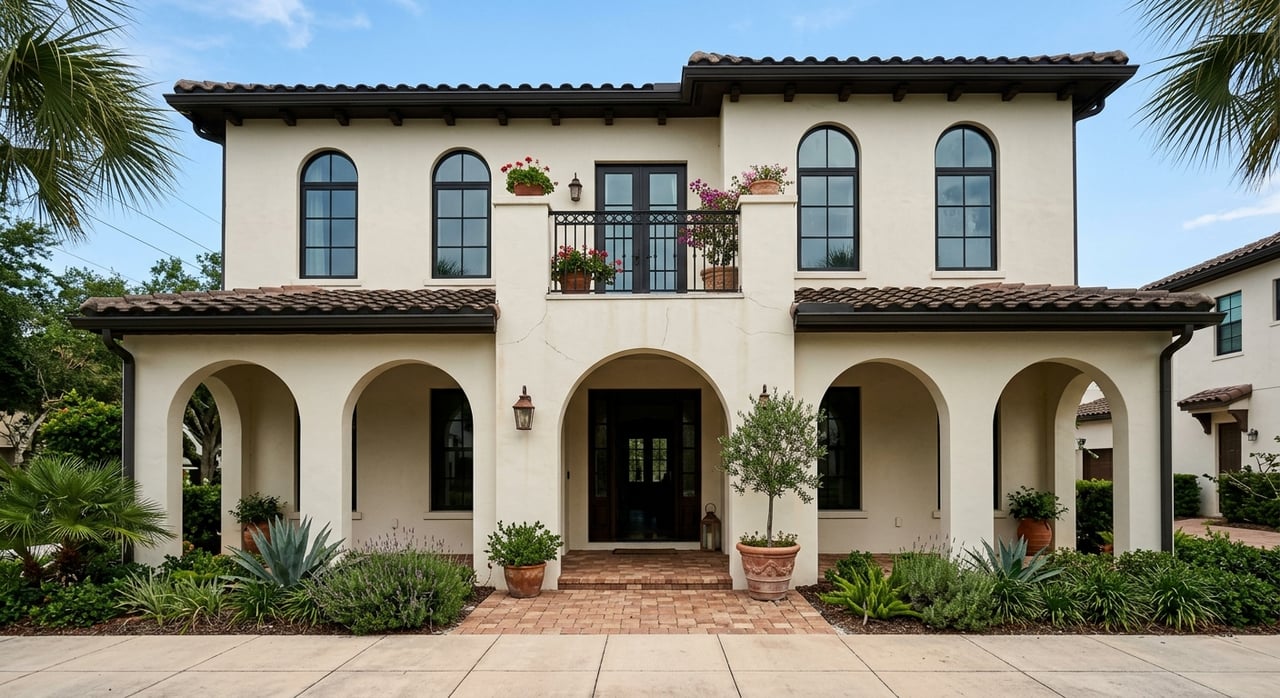
Not every Davenport vacation home carries fees in the same way. A single-family home, townhome, and condo can have very different cost structures, even in similar resort locations.
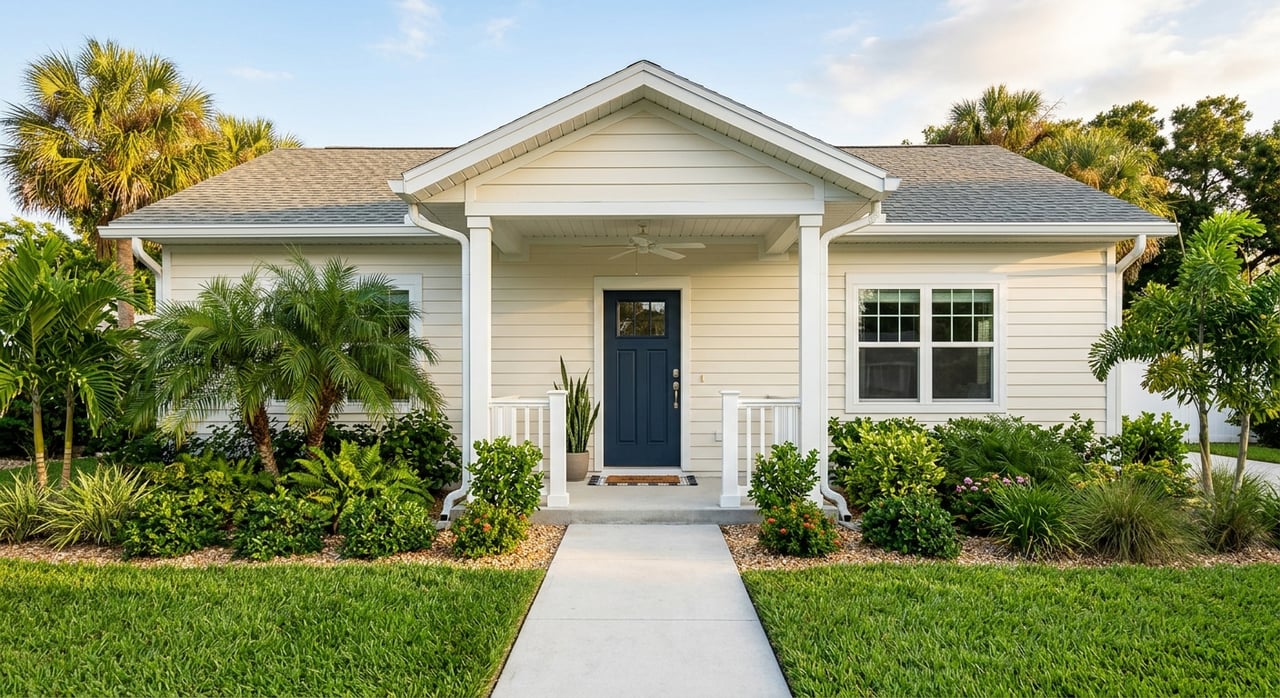
Single-family vacation homes
Single-family homes often shift more upkeep to the owner. That can sometimes mean lower base dues, but it may also leave you with more direct responsibility for exterior repairs and maintenance.
For some buyers, that tradeoff works well because it can offer more control over expenses. For others, especially investors who want predictable budgeting, a lower monthly fee is not always the better deal if it means higher out-of-pocket surprises later.
Townhomes
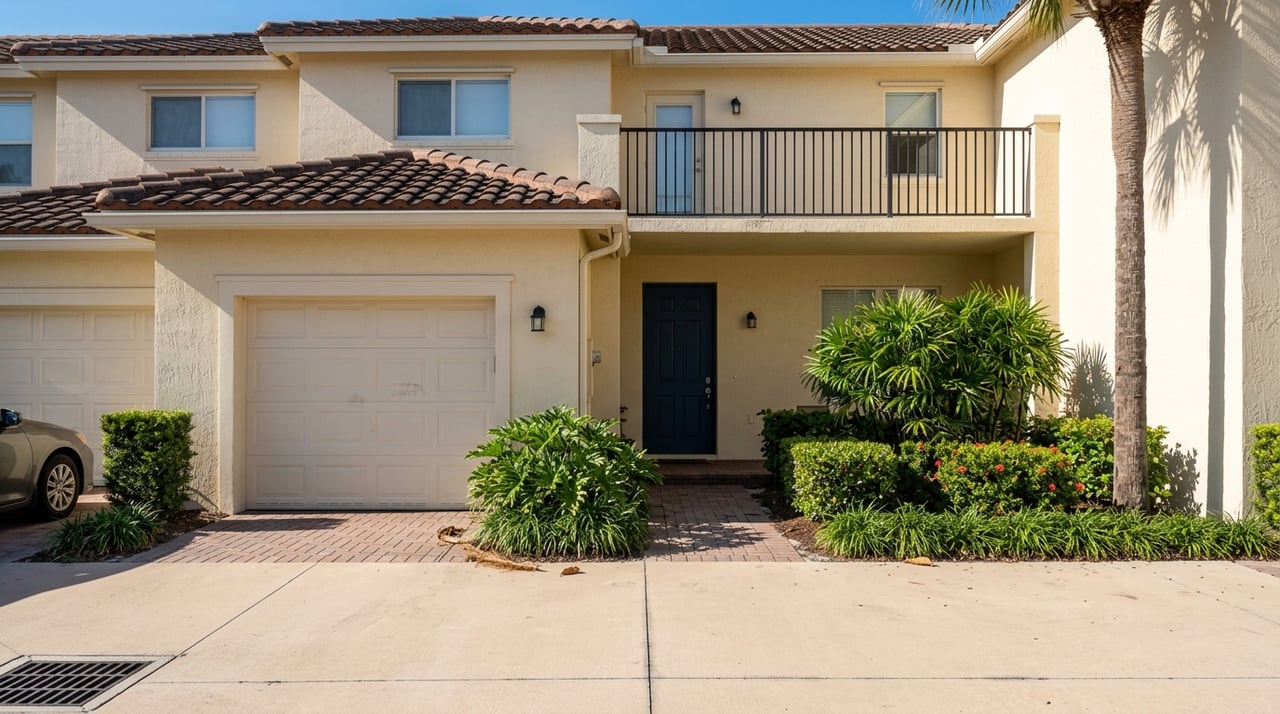
Townhomes usually carry more shared-maintenance costs because some exterior elements are tied to common or service-area responsibilities. In Solterra’s governing documents, townhome owners are subject to service-area assessments for maintenance, repair, replacement, and insurance related to the townhome service area.
That often means higher recurring dues than a single-family home. On the other hand, those dues may reduce your exposure to major exterior maintenance bills that you would otherwise handle on your own.
Condos
Condos have their own assessment structure and often more reserve-driven budgeting. In Florida, regular condo assessments fund common expenses in the annual budget, while special assessments cover costs outside that budget.
For many condo buildings that are three habitable stories or higher, a structural integrity reserve study is required at least every 10 years. Buyers in a resale transaction can be entitled to key documents such as the annual budget, annual financial statement, and the most recent reserve study, which makes document review especially important.
How fees affect your cash flow and ROI
If you are buying a Davenport vacation home as an investment, recurring fees reduce your net operating income before you even get to your mortgage, property taxes, insurance, and management costs. That is why fee review should be part of your underwriting from day one.
Solterra Resort CDD’s FY 2025/2026 schedule shows annual per-unit assessments of about $3,208.53 to $4,629.72, depending on the lot or assessment area. Annualized, that is roughly $268 to $386 per month for the CDD layer alone, before any HOA dues are added.
That example shows how quickly the total cost picture can shift. A home that looks attractive based on list price alone may feel very different once you add tax-bill assessments, HOA charges, and any rental-related amenity fees.
Fee growth matters too
Current dues are only the starting point. You also need to think about how quickly costs can rise over time.
At Solterra Resort CDD, the operations and maintenance budget rose from $3,131,065 to $3,394,885 year over year, and several assessment categories showed a 15.5% increase in the operations and maintenance line item. That does not mean every community will move the same way, but it is a clear reminder that fee growth can materially affect your returns.
Special assessments can change the math fast
Special assessments deserve close attention because they fall outside the normal annual budget. Florida HOAs and condo associations can levy special assessments, and unpaid balances can lead to interest, late charges, collection costs, liens, and foreclosure remedies.
For you as a buyer, the better question is not just, “What is the fee today?” It is also, “Are reserves healthy, and what is the risk of an extra assessment later?”
What some fees may actually cover
Higher fees are not always a negative by themselves. In some communities, those charges may replace costs you would otherwise pay separately.
Solterra’s responsibility sheet is a good example of how layered communities divide costs. The CDD handles items such as the front gate, amenity-center management, stormwater, and some common-area work, while the HOA handles items such as residential internet and Wi-Fi, valet trash, some landscaping, and the Solterra Springs private gate.
That means two communities with similar total fees may still offer different value depending on what is included. The key is to compare the full package, not just the headline monthly amount.
What to verify before closing
Before you buy a Davenport vacation home, ask for the official documents and review them carefully. A listing sheet rarely tells the full fee story.
Ask for the estoppel or resale documents
Under Florida HOA law, the association must issue an estoppel certificate within 10 business days after request. The estoppel should disclose:
- The regular assessment amount
- The next installment due
- All assessments currently owed
- Scheduled future assessments
- Capital contribution, resale, or transfer fees
- Open violations
- Transfer-approval rules
- Right-of-first-refusal issues
- Insurance contact information
For condos, the disclosure package is broader and can include the declaration, bylaws, rules, annual financial statement, annual budget, reserve study, and milestone-inspection materials if applicable.
Confirm short-term rental eligibility
If you plan to use the property as a vacation rental, do not assume it is ready to operate just because other nearby homes are rented short term. You should verify zoning, local business requirements, and state licensing rules before closing.
The City of Davenport states that businesses operating inside city limits need a City of Davenport Business Tax Receipt and, if inside city limits, also a Polk County Business Tax Receipt. The city also says zoning approval is required for all businesses, and its land-development regulations state that short-term rental units are allowed per Florida statutes.
At the state level, DBPR requires a vacation-rental license when the entire unit is rented more than three times in a calendar year for periods shorter than 30 days, or when it is held out to the public as a place regularly rented to guests.
Review amenity access rules for guests
Amenity access rules can affect your guest experience and your rental strategy. In Solterra, if a renter is designated as the beneficial user, the renter receives amenity rights for that period, and the owner remains responsible for unpaid charges incurred by renters.
That kind of rule matters because it can affect guest satisfaction, owner liability, and how you manage bookings. If the community has a resort-style setup, make sure you understand exactly who gets access and who pays for what.
A smart way to compare Davenport communities
When you compare vacation homes in Davenport, it helps to think in terms of a full fee stack instead of one monthly number. A simple framework can keep you focused:
- CDD assessments: tax-bill obligations tied to infrastructure and services
- HOA dues: recurring governance and maintenance costs
- Resort fees: guest-facing access and pricing costs
- Reserve strength: a signal of future special-assessment risk
- Rental rules: limits or requirements that affect income potential
This approach gives you a more realistic picture of ownership. It also helps you compare a lower-priced home with higher fees against a higher-priced home with fewer recurring obligations.
If you are weighing a condo, townhome, or single-family vacation property near the Disney corridor, the right choice often comes down to your goals. Some buyers want simplicity and shared maintenance. Others want lower recurring dues and are comfortable taking on more direct upkeep.
The best move is to match the property’s fee structure to the way you plan to use it. That is where careful review can protect both your budget and your long-term confidence.
If you want help comparing Davenport vacation homes, reviewing fee structures, or narrowing down the right fit for your goals, connect with Millan Astray Realty for personalized guidance.
FAQs
What is the difference between HOA dues and CDD assessments in Davenport vacation homes?
- HOA dues generally cover community governance, maintenance, and amenity-related costs, while CDD assessments are usually tax-bill charges tied to infrastructure and services financed by the Community Development District.
How much can CDD fees add to a Davenport resort property?
- In Solterra Resort CDD’s FY 2025/2026 schedule, annual per-unit assessments range from about $3,208.53 to $4,629.72, which works out to roughly $268 to $386 per month before HOA dues.
Do Davenport vacation-home fees affect rental income?
- Yes. Recurring dues and assessments reduce net operating income, and guest-facing resort fees can affect your pricing strategy, competitiveness, and the amount of revenue you retain.
Are special assessments possible in Davenport HOA or condo communities?
- Yes. Florida HOAs and condo associations can levy special assessments outside the regular annual budget, which is why reserve funding and financial document review are so important before closing.
What documents should you request before buying a Davenport vacation home?
- You should ask for the estoppel certificate or resale package, plus any available budget, financial statements, governing documents, reserve information, transfer-fee details, and rules affecting ownership or rentals.
Can you use any Davenport vacation home as a short-term rental?
- No. You should verify City of Davenport zoning approval, business tax receipt requirements, and Florida DBPR vacation-rental licensing rules before assuming the property can be used for short-term rentals.