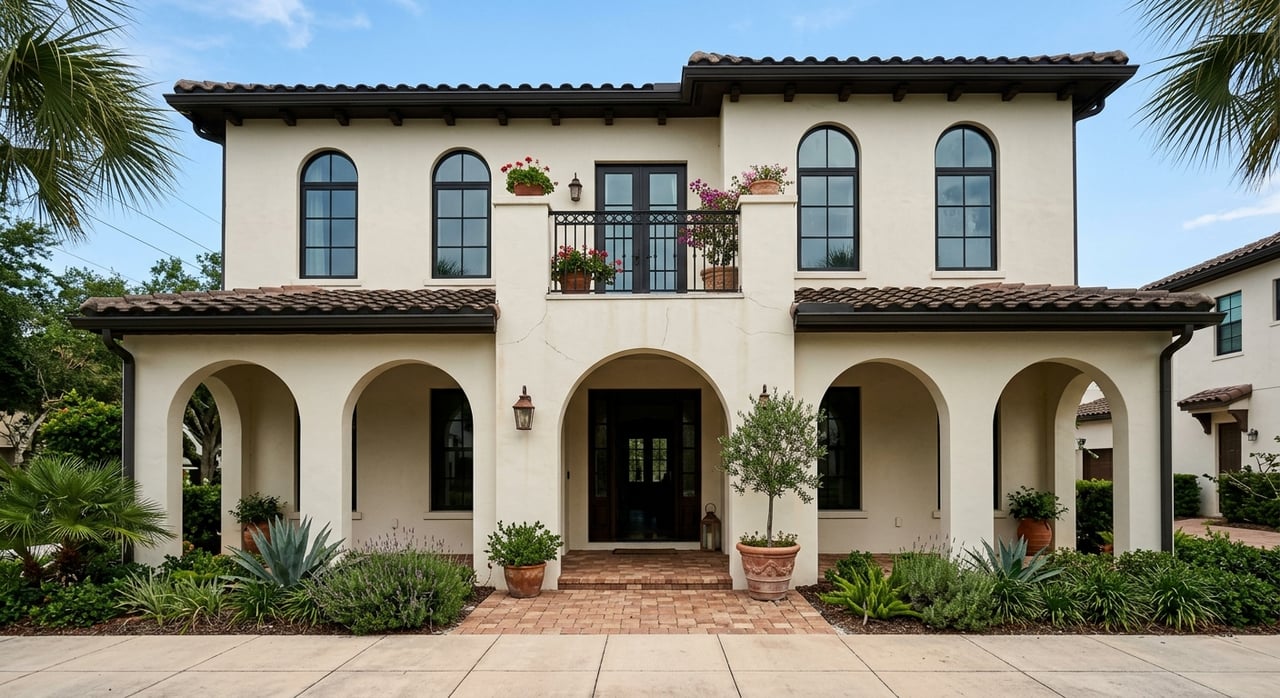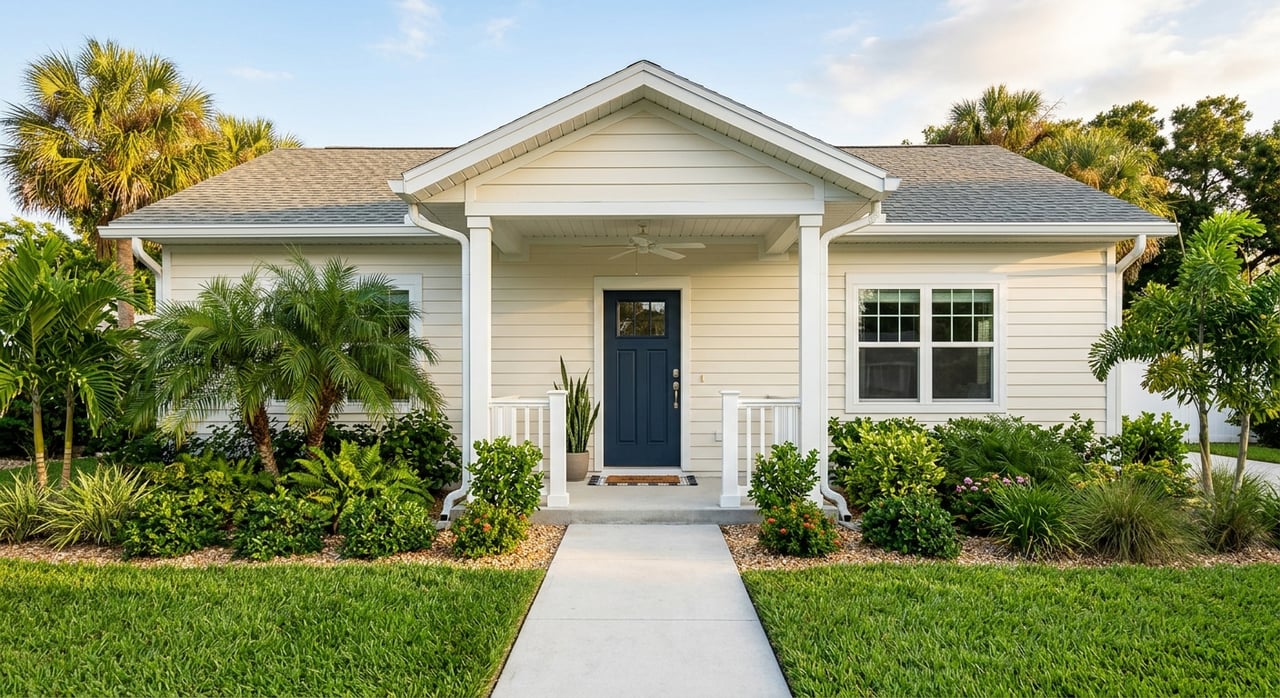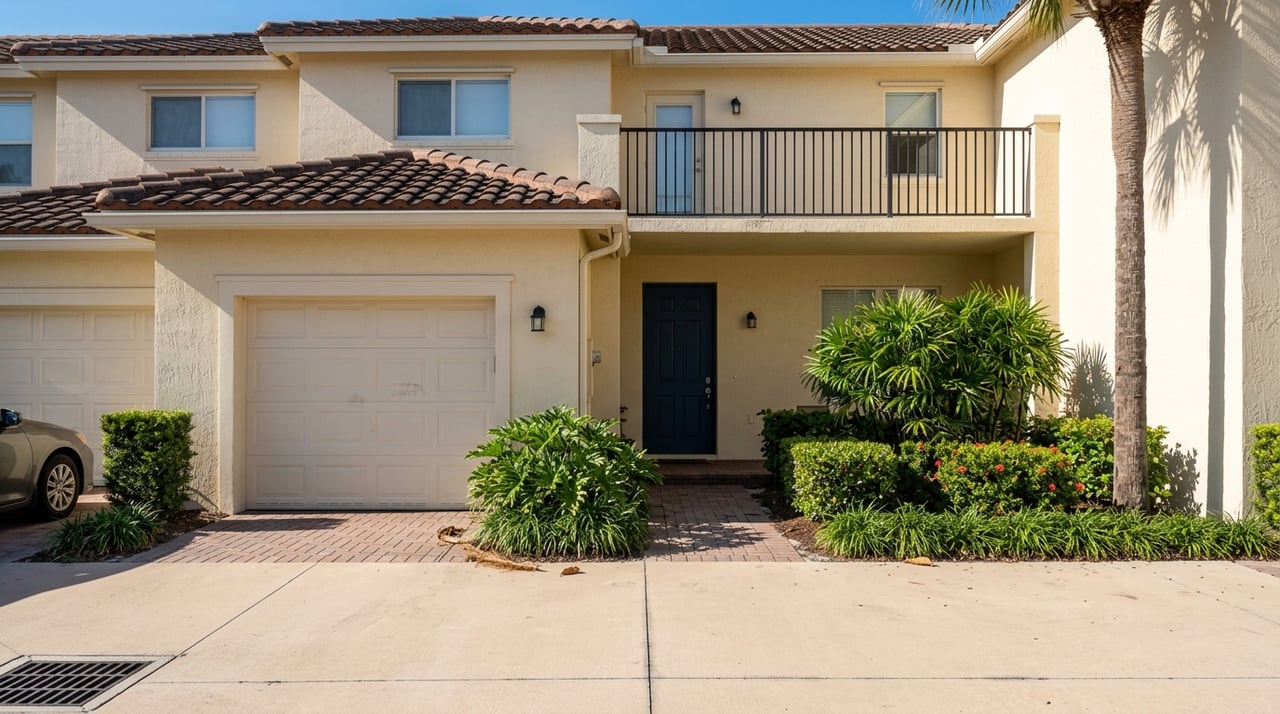
Are you starting to feel like your house fits your memories better than your current lifestyle? If you love Winter Park but want less upkeep, a condo or townhome can be a smart next step. The key is knowing how prices, fees, building rules, and location tradeoffs work before you move. Let’s dive in.
Why Winter Park appeals to downsizers
Winter Park offers a mix of historic charm, daily convenience, and cultural amenities that make it especially appealing if you want to simplify without leaving the area you know. The city sits just north of Orlando and includes Park Avenue, Central Park, museums, and a well-known downtown core.
For many homeowners, that means you can trade yard work and house maintenance for a more lock-and-leave lifestyle while still staying close to the places you enjoy. That local appeal helps explain why downsizing in Winter Park can be competitive.
What the Winter Park market looks like
Winter Park is not a one-price market, especially for condos and townhomes. Recent market snapshots show a citywide median listing price of $565,500, while condos and townhomes vary widely by product type, building, and location.
Available data shows condos for sale around a median listing price of $255,000, while townhomes are much higher at about $790,000. Recent sale data also points to a large spread, with median condo or co-op sale prices around $217,450 and median townhouse sale prices around $820,000.
That gap matters if you are moving out of a detached home and trying to balance convenience with budget. In Winter Park, a condo and a townhome may offer very different ownership experiences and monthly costs.
Price ranges can vary dramatically
Current listings show just how broad the market can be. Condo examples run from about $125,000 to more than $2 million, while townhome examples range from about $185,000 to more than $4 million.
That tells you one important thing: downsizing in Winter Park is highly community-driven. Your experience will depend less on the word “condo” or “townhome” and more on the specific building, layout, location, and association structure.
Condo vs. townhome for downsizing
A condo is usually the more hands-off option. In Florida, condo associations generally maintain common elements and must maintain adequate property insurance, which can reduce some of the responsibilities you had in a single-family home.
That convenience comes with more association involvement. You will want to understand the rules, budget, reserves, and maintenance setup before you buy so there are fewer surprises after closing.
Townhomes often feel more like a house. In Winter Park, current listings show features such as one-car garages, fenced courtyards, covered lanais, gated entries, and other low-maintenance benefits.
Still, townhomes are not all the same. Exterior maintenance, parking, and what the association covers can differ from one community to another, so those details should always be confirmed in the documents.
A quick way to compare
| Option | What may appeal to downsizers | What you need to verify |
|---|---|---|
| Condo | Lower-maintenance ownership, association-managed common areas, often easier lock-and-leave living | Budget, reserves, rules, insurance setup, building condition |
| Townhome | More house-like layout, possible garage or private outdoor space, often more separation than a condo | Exterior responsibility, maintenance split, parking, dues, community rules |
Budget beyond the purchase price
One of the biggest downsizing mistakes is focusing too much on sale price and not enough on monthly ownership cost. HOA dues can have a major impact on affordability.
Current Winter Park examples include a condo with a $451 HOA fee and a townhome with a $500 HOA fee. Those are only examples, but they show why your true monthly budget should include dues, insurance, and any reserve-related costs.
If you are selling a larger home, it can be tempting to assume a smaller property automatically means lower monthly expenses. In reality, a lower-maintenance lifestyle may shift costs from repairs and yard care into association dues and building-related expenses.
Florida condo due diligence matters
If you are considering a condo in Winter Park, due diligence is especially important in today’s Florida market. State condo rules have changed several times since 2022, and older or mid-rise buildings may carry more documentation, reserve, and inspection considerations than newer communities.
Before buying, you should ask for the declaration, bylaws, rules, budget, and reserve information. Florida’s condo guidance also notes that official records are available for inspection, and budgets and accounting records must be kept for at least seven years.
In general, those records must be made available within 10 working days after a proper written request. That gives you a practical path to review how the association is operating before you commit.
Why reserves and inspections matter
For many Florida condos and co-ops that are three or more habitable stories tall, milestone inspections and structural integrity reserve studies are part of the current regulatory environment. These reviews focus on major building components such as the roof, structural systems, fire protection, plumbing, electrical systems, waterproofing and exterior painting, and windows and exterior doors.
For you as a buyer, the takeaway is straightforward. If reserves are thin or maintenance has been delayed, future costs may show up as higher dues, special assessments, or stricter association decisions.
That does not mean you should avoid older condos. It means you should evaluate each building carefully and make sure the numbers and documents support the lifestyle and budget you want.
Location matters as much as floor plan
Many downsizers choose Winter Park because of the lifestyle, not just the property itself. Park Avenue and the downtown area remain a major draw, with Central Park at the heart of the shopping district and a city focus on walking and biking improvements.
If your goal is to walk to dining, parks, shops, or cultural destinations, certain pockets of Winter Park may fit much better than others. That can be more important than an extra bedroom or a slightly larger floor plan.
Walkability is strongest in select areas
Winter Park is not fully walkable citywide. Redfin rates the city at a Walk Score of 44, a Transit Score of 28, and a Bike Score of 51.
In practical terms, that means you may find a very walkable lifestyle near downtown, but you should not assume the same experience across every part of the city. A condo or townhome that looks perfect online may still require more driving than you expected.
Parking deserves a closer look
Parking can shape your day-to-day experience more than many buyers expect. The city’s downtown parking map shows a mix of free 4-hour parking, free 3-hour parking, and paid public parking, along with residential permit information.
That matters if you regularly host guests, want easy access to downtown, or plan to keep more than one vehicle. When comparing communities, ask about resident spaces, guest parking, garage access, and any permit limitations.
Transit can be a useful bonus
The Winter Park rail station near Morse Boulevard and Park Avenue offers access close to Central Park, Rollins College, and nearby residential areas. For some downsizers, that is a helpful convenience for occasional trips without giving up a car.
Even if you are not planning a car-free lifestyle, being near the station can add flexibility. It is one more example of why lifestyle fit should be part of your home search strategy.
When to consider nearby alternatives
Sometimes the right move is still in Winter Park. Other times, you may find that inventory, dues, parking, or price point make another nearby area worth a look.
Common comparison areas in the broader corridor include College Park, Baldwin Park, Maitland, Orlando, Altamonte Springs, and Winter Garden. If your goal is low maintenance living with a certain budget or layout, expanding the search can create better options.
That does not mean giving up on Winter Park too quickly. It means staying focused on what matters most to you: walkability, monthly cost, maintenance level, parking, and overall ease of living.
A smart downsizing plan for Winter Park
If you are moving from a detached home into a condo or townhome, the best plan is to compare homes through a lifestyle lens, not just a price lens. Think about how often you want to drive, how much association oversight you are comfortable with, and whether you want a truly lock-and-leave setup or something more house-like.
A smart shortlist usually includes these questions:
- What are the total monthly costs, including HOA dues and insurance?
- What does the association maintain, and what becomes your responsibility?
- How strong are the budget and reserves?
- Are there any upcoming repairs, inspections, or special assessments to know about?
- How walkable is the immediate area for your day-to-day routine?
- How easy is parking for you and your guests?
Downsizing should make life simpler, not more confusing. With the right guidance and careful review of each community, you can find a Winter Park condo or townhome that fits both your next chapter and your budget.
If you are weighing your options in Winter Park or nearby Orlando-area communities, Millan Astray Realty offers personalized, bilingual guidance to help you compare properties, review the real monthly costs, and find the low-maintenance lifestyle that truly fits you.
FAQs
What should downsizers review before buying a Winter Park condo?
- You should review the declaration, bylaws, rules, budget, reserve information, and available association records so you understand the building’s finances, maintenance approach, and ownership rules.
How do Winter Park condos and townhomes differ for downsizers?
- Condos are often more hands-off because associations manage common elements, while townhomes can feel more like a house but may have different maintenance, parking, and exterior responsibility depending on the community.
Are HOA fees important when downsizing in Winter Park?
- Yes. HOA fees can significantly affect your monthly budget, so you should compare dues, insurance needs, and any reserve-related costs instead of looking only at the purchase price.
Is Winter Park fully walkable for condo or townhome owners?
- No. The most walkable experience is usually in pockets near downtown, while other parts of Winter Park may still require regular driving.
Why do Florida condo reserves matter to Winter Park buyers?
- Reserve strength can affect future costs because thin reserves or deferred maintenance may lead to higher dues, special assessments, or tighter association rules.
Should downsizers look beyond Winter Park for condos and townhomes?
- Yes, if Winter Park inventory, fees, or pricing do not fit your goals, nearby areas such as Maitland, Baldwin Park, Altamonte Springs, College Park, Winter Garden, and Orlando may offer different tradeoffs worth comparing.