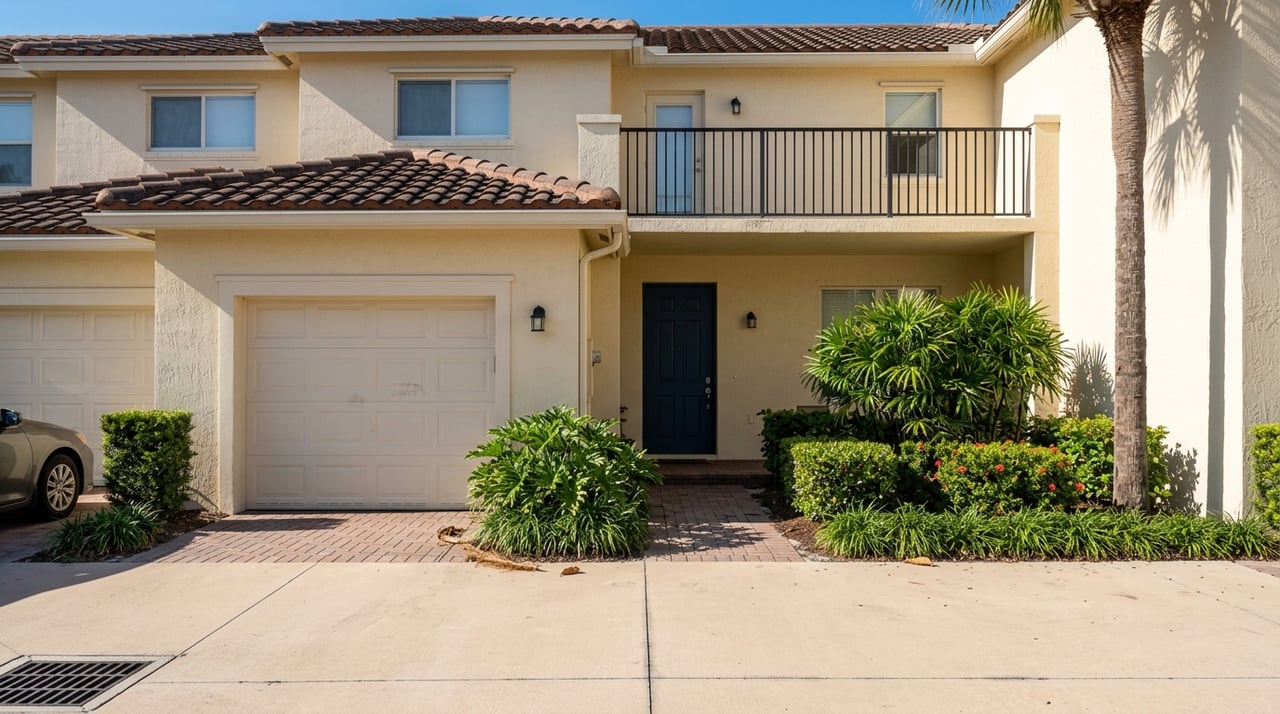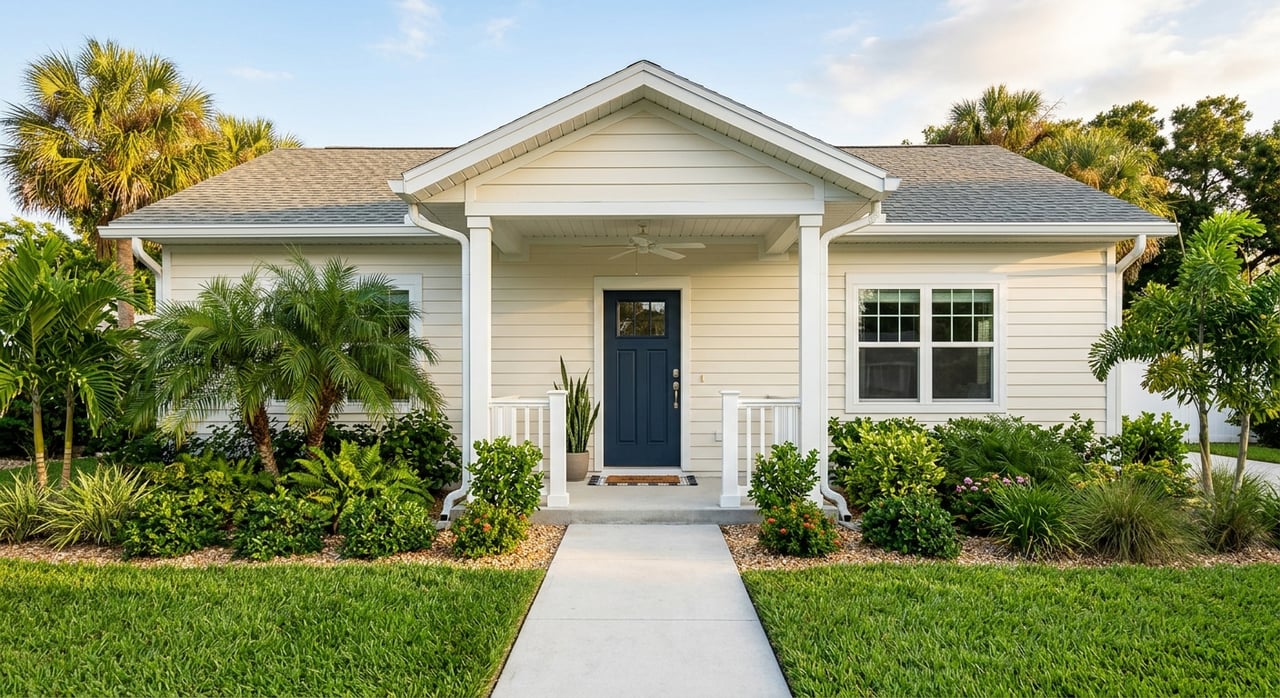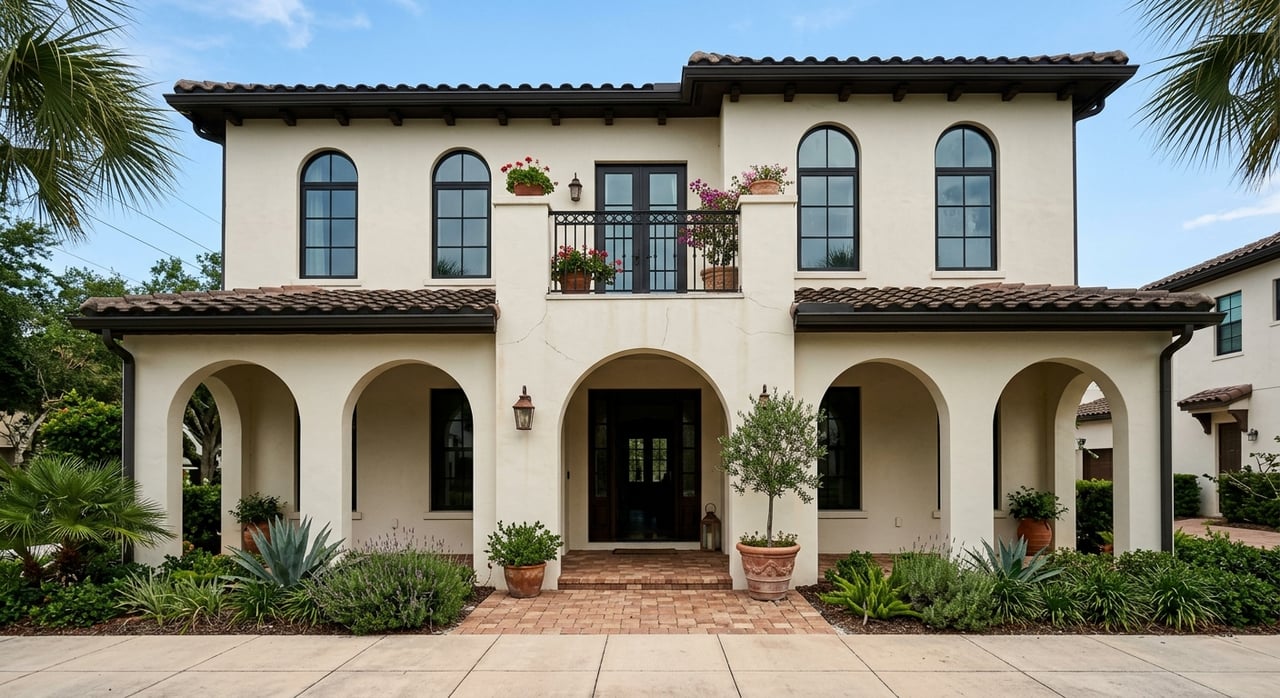
If you want a home with less exterior upkeep but still want to build equity in Altamonte Springs, a condo or townhome may be on your shortlist. That makes sense in a city known for major retail access, a central location near I-4 and State Road 436, and a large supply of multifamily housing. The key is knowing that two homes that look similar from the street can come with very different rules, costs, and responsibilities. This guide will help you compare your options, ask better questions, and feel more confident before you make an offer. Let’s dive in.
Why buyers choose Altamonte Springs
Altamonte Springs offers a setup that appeals to many buyers who want convenience and lower-maintenance living. The city reports roughly 50 multi-tenant retail centers and 17,110 multifamily units across 97 multifamily communities. That points to a market with meaningful condo and townhome inventory.
Lifestyle also plays a role. Cranes Roost Park sits in the heart of Uptown Altamonte around Cranes Roost Lake, and the city provides utilities such as water, sewer, stormwater, garbage collection, recycling, and reclaimed water. For many buyers, that mix of services, amenities, and access supports the appeal of shared-maintenance housing.
Condos and townhomes are not the same
One of the biggest mistakes buyers make is assuming a townhome is always one type of ownership. In Florida, the legal structure matters more than the exterior style. A property may look like a townhome but still be legally organized as a condominium, or it may be part of a homeowners’ association.
Under Florida condominium law, you own your unit and also share an undivided interest in the common elements. In an HOA-governed community, the association is a Florida corporation with mandatory membership, and assessments can become liens on the parcel. That difference can affect maintenance duties, insurance, reserves, disclosures, and how you review the community before closing.
Why the legal form matters
The declaration, title package, bylaws, and rules tell you how the property is structured. Those documents matter because they define what you own, what the association maintains, and what costs may come your way later. You should never rely on the building style alone.
If you are comparing two similar listings in Altamonte Springs, one may have very different responsibilities than the other. That can change your monthly budget, your insurance needs, and your long-term comfort with the purchase.
What to compare beyond the monthly fee
A low monthly fee can look attractive at first glance, but the fee number alone does not tell the full story. What matters is what the fee covers, how well the association plans for future repairs, and whether there are signs of underfunding.
For condo communities, Florida law requires the association to use its best efforts to obtain and maintain adequate property insurance for association property, common elements, and the condominium property the association must insure. At the same time, certain interior items and personal property inside the unit remain the owner’s responsibility. In plain terms, do not assume the condo fee covers every repair inside your home.
In HOA-governed communities, the annual budget must show operating expenses and separately list fees or charges for recreational amenities. HOA budgets may also include reserves for capital expenditures and deferred maintenance. That is why reviewing the budget is often more helpful than focusing only on dues.
Ask these fee questions early
Before you get too far into a condo or townhome purchase, ask:
- What does the monthly fee cover?
- Does it include exterior maintenance, roof, landscaping, water, sewer, trash, pest control, amenities, insurance, or reserves?
- Are any special assessments approved, planned, or being discussed?
- Has the association recently increased dues?
- Are there reserve funds for major future repairs?
These questions can help you avoid surprises and compare properties more accurately.
Review association records carefully
In both condos and HOA communities, official records are one of your best tools during due diligence. Florida law requires associations to keep important records such as governing documents, budgets, financial reports, insurance policies, and contracts. Many of these records must be maintained for at least seven years.
For buyers, these records can reveal whether a community is well organized, financially prepared, and dealing with any major repair issues. They can also help you confirm whether the listing details match the actual rules and obligations.
Documents worth reviewing
When possible, ask to review:
- Declaration, bylaws, and rules
- Current budget and annual financial statement
- Insurance information
- Reserve study, if applicable
- Recent meeting minutes
- Information about pending repairs or litigation
- Parking, pet, rental, and renovation rules
These documents often answer the questions that listing remarks do not.
Older condo buildings need extra attention
If you are looking at an older condominium in Altamonte Springs, deeper review is especially important. Florida’s post-Surfside rules created added inspection and reserve requirements for certain condo buildings.
A milestone inspection is required for buildings that are three stories or more and subject to condo or co-op ownership when the building reaches 30 years of age. In some local circumstances, including proximity to salt water, the trigger may be 25 years. Residential condo associations must also complete a structural integrity reserve study at least every 10 years for each building that is three habitable stories or higher.
What this means for you
If you are considering an older condo, do not stop at the photos and monthly dues. Ask whether the building has a milestone inspection summary, whether the structural integrity reserve study has been completed, and whether any repairs or special assessments are tied to those findings.
This is especially important when a listing shows a high fee, a recent fee jump, a rumored assessment, or limited detail about where the money goes. In those situations, the documents matter as much as the floor plan.
What sellers must provide in Florida
Florida gives buyers important disclosure rights, and those rights differ depending on whether the property is a condo or an HOA-governed home. Knowing the difference can help you stay organized and protect your timeline.
For condo resales, the seller must provide a current copy of the declaration, articles of incorporation, bylaws and rules, the annual financial statement and annual budget, the FAQ document, and, when applicable, the milestone inspection summary, the most recent structural integrity reserve study, and the turnover inspection report. If those documents are not delivered as required, the buyer has a seven-day voidability period after receipt.
For HOA-governed property, the prospective purchaser must receive a disclosure summary before signing the contract. If that disclosure summary was not provided before execution, the buyer may cancel within three days after receipt of the disclosure summary or before closing, whichever comes first.
Red flags to watch in listing details
Some of the most important details may not appear in the listing headline. A beautiful kitchen or updated flooring does not tell you whether the association is financially healthy or whether the rules fit your lifestyle.
Pay close attention to the items below when you compare condo and townhome listings in Altamonte Springs.
Common buyer red flags
- Monthly fee is listed, but what it covers is unclear
- Reserve funding is not explained
- Special assessments are rumored or vaguely referenced
- Rental restrictions are stricter than expected
- Parking rules are limited or assigned in a way that does not fit your needs
- Pet rules are more restrictive than the listing suggests
- Maintenance responsibility is not clearly defined
- Older building details are missing for a three-story-or-higher condo
A listing can still be a strong opportunity even if one of these issues appears. The point is to slow down, verify the facts, and understand the tradeoffs before you commit.
A practical buying checklist
If you want a simple way to compare options, use this checklist as you tour and review listings:
- Confirm whether the property is legally a condominium or an HOA-governed parcel
- Ask what the monthly fee covers in detail
- Ask whether any special assessments are approved, proposed, or likely
- For condos three stories or higher, request the milestone inspection summary and reserve study status
- For HOA properties, verify the disclosure summary was delivered before contract signing
- Review rules for parking, pets, rentals, and renovations in the governing documents
- If the documents are incomplete or the fee seems unusually low, treat that as a reason for deeper due diligence
How local guidance can help
Buying a condo or townhome in Altamonte Springs is not just about choosing a floor plan you like. It is about understanding the legal structure, the monthly costs, the records, and the condition of the community behind the listing.
That is where a consultative approach matters. When you have clear guidance, it becomes easier to compare similar-looking homes, spot questions early, and move forward with fewer surprises. If you want bilingual support and a personalized strategy as you explore condo and townhome options in Central Florida, Millan Astray Realty is here to help.
FAQs
What is the difference between a condo and a townhome in Altamonte Springs?
- A townhome describes a building style, but the legal ownership may still be a condominium or an HOA-governed property. You need to review the declaration and governing documents to know the actual structure.
What should a condo buyer review before making an offer in Florida?
- You should review the monthly fee details, budget, financial statement, rules, insurance information, reserve study status, and any milestone inspection summary if the condo building is three stories or higher and older.
What does an HOA fee cover for a townhome in Florida?
- It depends on the community. The annual budget should show operating expenses and separately list certain amenity charges, so you should review the budget instead of assuming the dues cover everything.
What are Florida condo document delivery rules for resale buyers?
- For a condo resale, the seller must provide required documents such as the declaration, bylaws, rules, annual financial information, and certain inspection or reserve documents when applicable. If the required documents are not delivered, the buyer has a seven-day voidability period after receipt.
What is a milestone inspection for a Florida condominium?
- A milestone inspection is required for certain condo or co-op buildings that are three stories or more when they reach the age threshold set by Florida law. It is part of the state’s building safety and structural review framework.
Why do buyers choose condos and townhomes in Altamonte Springs?
- Many buyers are drawn to Altamonte Springs because of its central location, major retail access, park amenities like Cranes Roost Park, and the city’s significant supply of multifamily housing, which can support low-maintenance living options.